



For any machining workshop or precision manufacturing facility, the decision to choose a vertical machining center (VMC) or a horizontal machining center (HMC) involves considerations far beyond spindle power and axis travel. The workpiece clamping strategy often determines the overall production efficiency of a CNC machining center investment. A comparison of the fixture methods for VMCs and HMCs reveals fundamentally different philosophies in workpiece clamping, multi-part loading, and automated preparation between these two machine tool types.
VMC workpiece clamping:
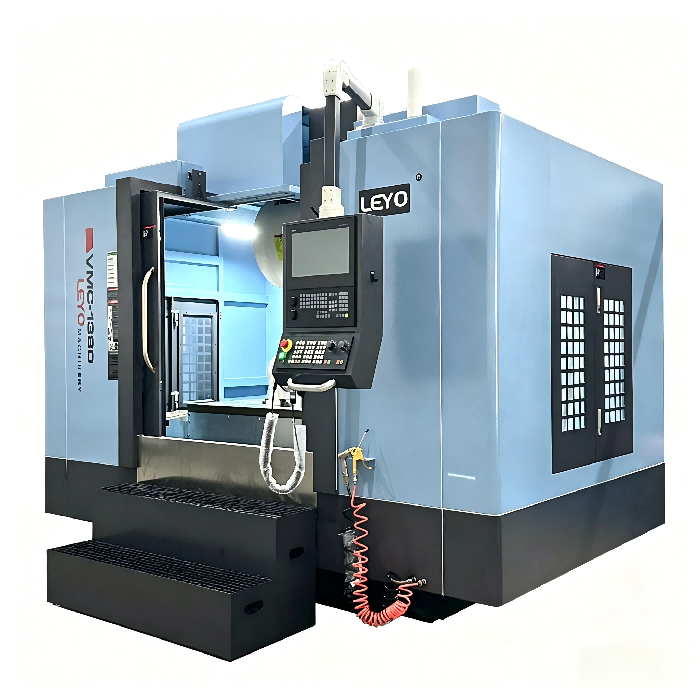
The workpiece clamping feature of a vertical machining center is straightforward and simple. As the spindle approaches from above, the workpiece is typically clamped on the worktable using standard vices, fixture plates, foot clamps, or T-slot fixture kits. Vertical positioning allows the operator to have a clear view of the part, fixtures, and cutting area, which is a distinct advantage during initial setup, program verification, and quality inspection. For single-piece or small-batch production, a VMC equipped with precision machine vices offers a quick and flexible tooling solution. Operators can load blanks, touch the tool, run the program, and inspect finished parts without requiring complex fixture design. This makes the VMC a practical choice in a workshop environment, especially for situations where there is a wide variety of parts and small batches.
HMC workpiece clamping:
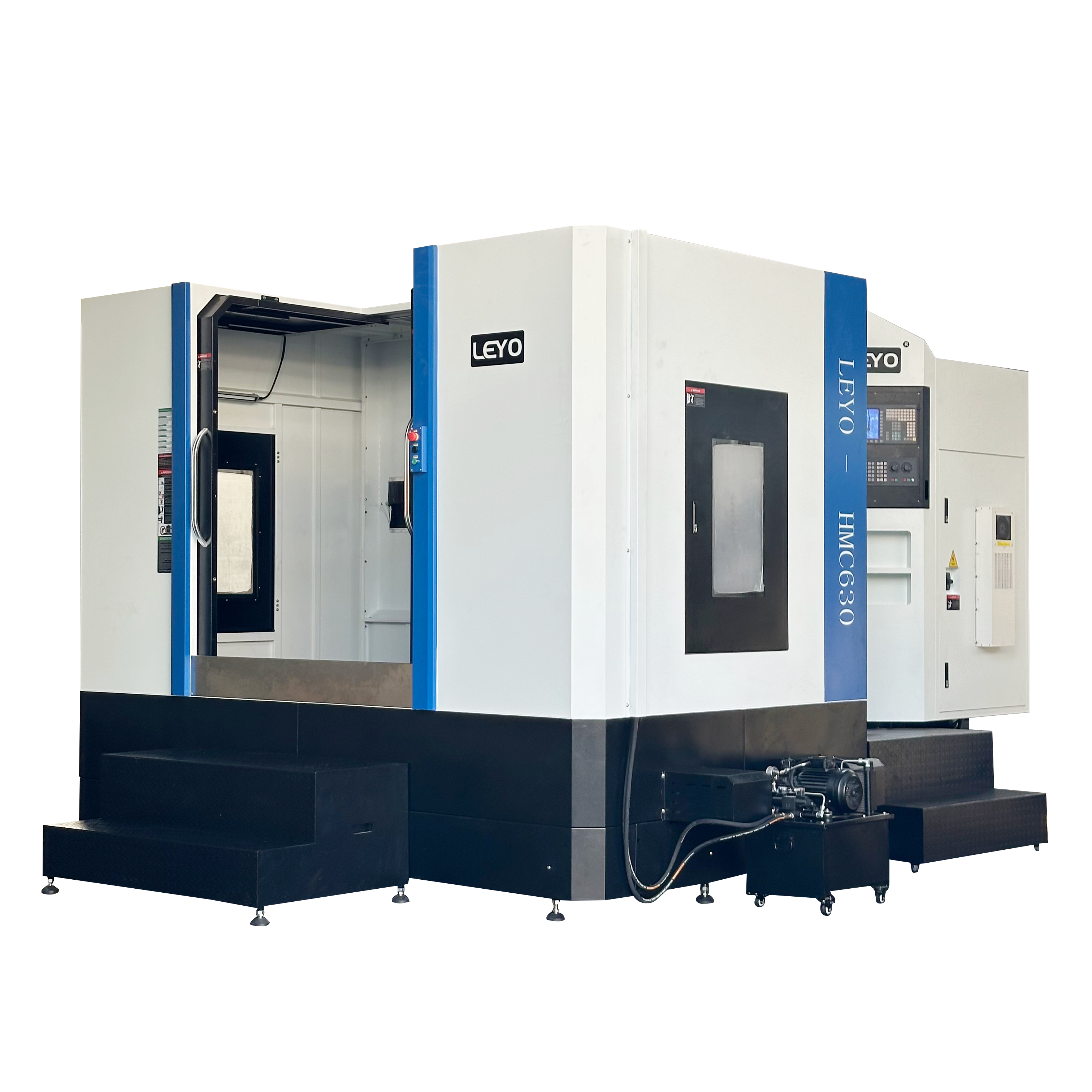
The workpiece clamping strategy of a horizontal machining center (HMC) is based on a completely different paradigm. The native rotary table of a horizontal machining center is typically a complete fourth axis with high-precision indexing capabilities - designed to accept vertical workpieces or angle plates. The vertical workpiece fixture is a precision-machined cast iron or steel column with multiple mounting surfaces (two, three, four, or even six sides), which can be directly bolted to the rotary table of the horizontal machining center. The workpiece is fixed to each side of the vertical workpiece using a dedicated fixture plate, hydraulic fixture, or zero-point mounting system. This configuration enables the HMC to machine multiple faces of a single workpiece or multiple identical workpieces in a single automatic cycle. The rotary table indexes, presenting each face in turn in front of the horizontal spindle.
Clamping stability under heavy cutting conditions
During the intense material removal process, the stability of the workpiece is another distinguishing factor. In a vertical machining center, the huge cutting forces push down on the worktable and act laterally on the vise or fixture. A properly designed fixture can withstand these loads, but the vertical direction continuously stresses the clamping system. In a horizontal machining center, the cutting forces act axially on the spindle and radially on the tool post and turntable - this load path matches the structural rigidity of the machine tool more naturally. Coupled with the fact that HMCs typically have a more rigid frame and a lower center of gravity, this means that greater cutting depths and higher feed rates can be maintained without inducing chatter or workpiece deflection.
The differences in workpiece clamping between vertical machining centers and horizontal machining centers reflect their respective design intentions. The design of vertical machining centers aims to achieve ease of use and flexibility - one part, one face, direct clamping. The design of horizontal machining centers aims to improve production efficiency and achieve multi-face machining efficiency - multiple parts, multiple faces, using vertical fixtures, and automatic pallet change.
Related Articles
-
 Dear Customers and Business Partners,In order to strictly comply with national export control laws and regulations, and to fulfill international obligations, ensuring that our exported CNC milling machines and CNC lathes are fully legal and compliant, we hereby notify you of the relevant policies coCompany News
 -
 Understanding which machine tool is best suited for machining which material can assist machining factories and machine tool agents in making the optimal choice. This article introduces the materials that can be most effectively machined by CNC milling machines, CNC lathes, and CNC machining centers.CNC Machine Industry News
 -
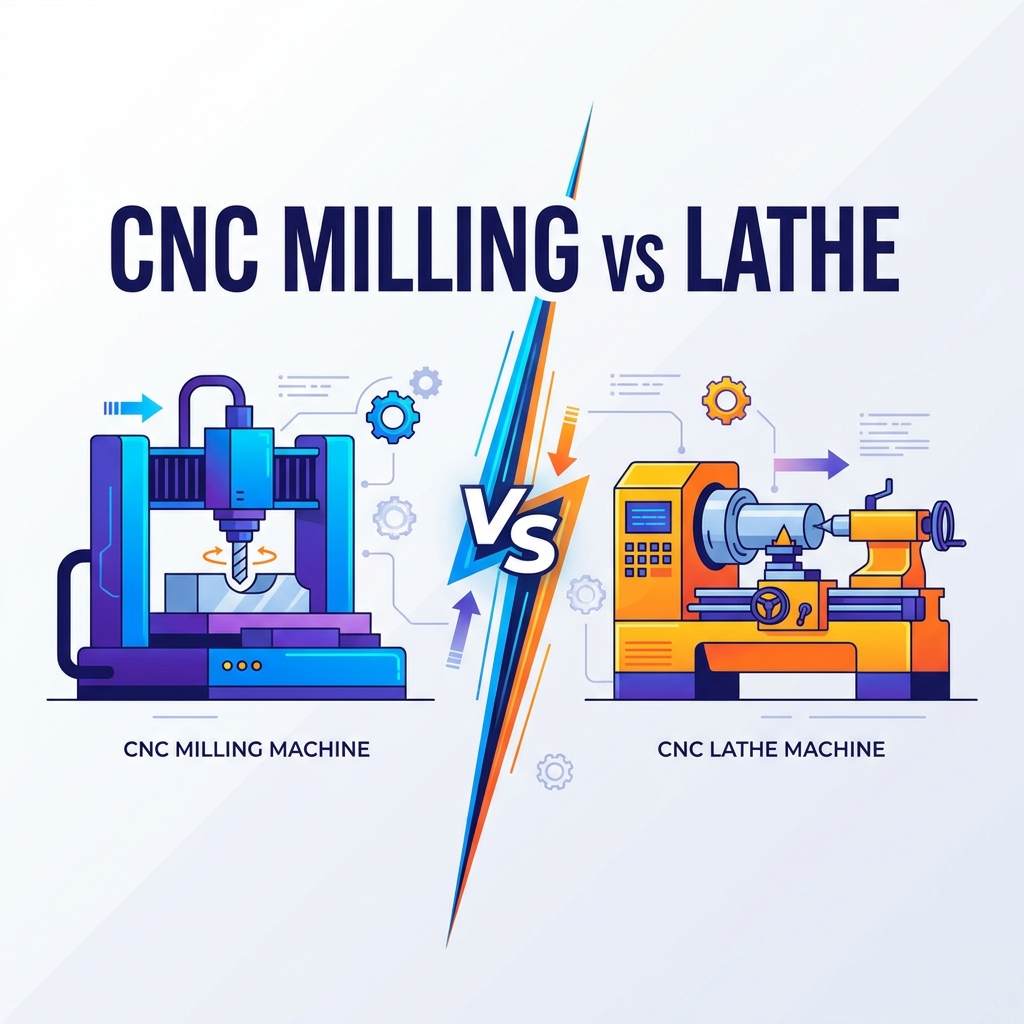 Compare CNC milling vs. turning. Learn differences in kinematics, geometry, cost, and automation to select the right machine for your production.Product news
