



A key strength of the 3-axis CNC machining center is its material versatility. From soft plastics to hardened steels, these machines are capable of performing precision milling, drilling, and tapping across a wide material spectrum. Understanding how different materials behave under machining helps manufacturers select the right tools and parameters — and confirms why the 3-axis vertical machining center is a practical choice for diverse workshops.
Aluminum and Its Alloys
Aluminum is the most commonly machined material on 3-axis CNC mills. With excellent machinability, high thermal conductivity, and light weight, it allows for high-speed cutting, reduced cycle times, and fine surface finishes. Industries such as automotive, aerospace, and electronics rely heavily on aluminum components produced on VMCs.
Steel and Stainless Steel
Carbon steel, alloy steel, and stainless steel are widely processed on 3-axis machining centers. While tougher and more abrasive than aluminum, these materials are machined effectively with rigid machine structures, proper coolant delivery, and coated carbide tooling. Typical parts include shafts, brackets, pump housings, and industrial machinery components that demand strength and durability.
Brass and Copper
Brass is highly machinable and produces excellent surface finishes, making it ideal for precision fittings, valves, and decorative components. Copper, though softer and more challenging due to its tendency to smear, is also machined on 3-axis centers for electrical contacts and heat transfer applications. The controlled feed and speed capabilities of CNC machines ensure consistent quality with these non-ferrous metals.
Titanium and High-Temperature Alloys
Titanium offers a high strength-to-weight ratio and excellent corrosion resistance, but its low thermal conductivity and tendency to work-harden require careful machining. 3-axis CNC machining centers with rigid construction and optimized cutting strategies can handle titanium components used in medical implants and aerospace structures. Sharp tools, lower cutting speeds, and high-pressure coolant are standard practice.
Engineering Plastics and Composites
Nylon, PTFE, PEEK, and other engineering plastics are frequently machined on 3-axis VMCs for applications in food processing, chemical equipment, and medical devices. These materials require sharp tooling and controlled feed rates to avoid melting or edge chipping. A properly configured 3-axis machine with air blast or mist cooling can produce clean, burr-free plastic parts with excellent dimensional accuracy.
Cast Iron and Ductile Iron
Cast iron is abrasive but stable to machine, and it is commonly used for machine tool beds, pump bodies, and automotive brake components. 3-axis machining centers with rigid box-way or linear guideway construction can absorb the interrupted cutting forces typical of cast iron machining, while keeping dust and chip management under control.
The ability to handle such a broad range of materials — from soft aluminum to abrasive cast iron — makes the 3-axis CNC machining center a universal tool for precision manufacturing. For more information on material-specific machine configurations, visit Leyo Machine.
Related Articles
-
 Dear Customers and Business Partners,In order to strictly comply with national export control laws and regulations, and to fulfill international obligations, ensuring that our exported CNC milling machines and CNC lathes are fully legal and compliant, we hereby notify you of the relevant policies coCompany News
 -
 Understanding which machine tool is best suited for machining which material can assist machining factories and machine tool agents in making the optimal choice. This article introduces the materials that can be most effectively machined by CNC milling machines, CNC lathes, and CNC machining centers.CNC Machine Industry News
 -
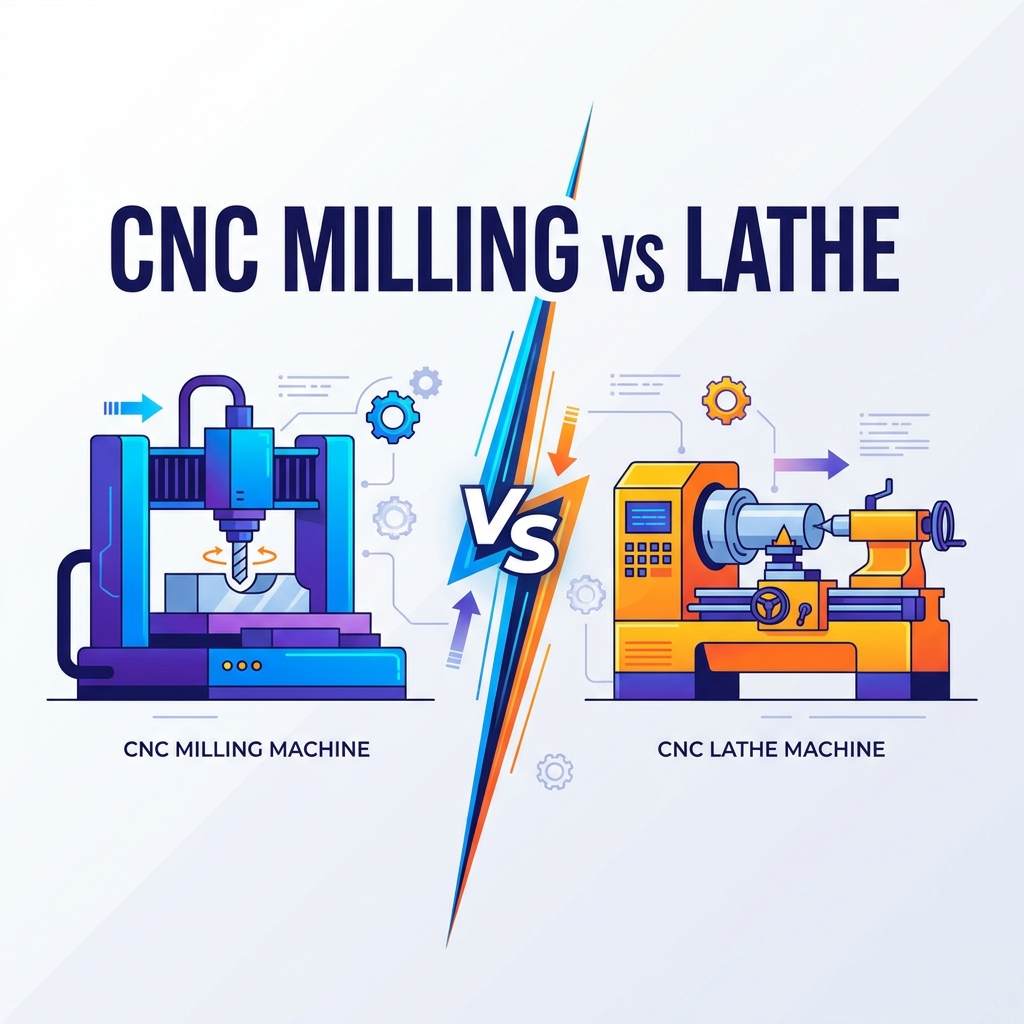 Compare CNC milling vs. turning. Learn differences in kinematics, geometry, cost, and automation to select the right machine for your production.Product news
