



The requirements for automotive parts manufacturing extend far beyond just removing chips. Precision machining, high repeatability, rapid cycles, and the ability to cut hard materials are all essential. This article briefly outlines the main process requirements for automotive machining and explains which machines are suitable for different needs.
Precision tolerance and dimensional stability
The engine cylinder bore, valve guide, and gear seat must maintain tolerances within the IT6–IT7 range. This necessitates the use of a CNC machining center with a thermally stable structure, high-precision linear guideways or box guideways, and a spindle cooling system. Even during prolonged production runs, vertical or horizontal machining centers equipped with rigid cast iron bed frames can maintain geometric accuracy. Linear scales and in-process probing further ensure that each part meets specifications.
Multi-face machining under one setup
Many automotive components, such as cylinder heads, transmission housings, and steering knuckles, exhibit multi-faceted characteristics. Traditional single-sided machining necessitates multiple clamping operations, which can introduce alignment errors. Horizontal machining centers equipped with a fourth-axis turret or five-axis CNC machining centers can machine three or more surfaces in a single clamping operation. This eliminates the errors associated with re-clamping and significantly enhances the positional accuracy between holes and surfaces.
High material removal rate in hard materials
Cast iron engine blocks and forged steel crankshafts require high cutting forces. The machine tool must provide high torque at low speeds and absorb vibrations. Horizontal machining centers (HMC) with geared spindles and box structures excel in this regard, capable of deep cutting without generating chatter. CNC lathes used for brake disc turning must also provide high torque and rigidity to cleanly cut cast iron and maintain consistent surface finish across a wide diameter range.
High-speed machining of aluminum components
Wheels, oil pans, and electronic housings are typically made of aluminum and require high-speed cutting to shorten the machining cycle. Vertical machining centers or five-axis machining centers equipped with 12,000–15,000 RPM spindles, direct drives or integrated motors, and rapid rapid movement (36 meters/minute or higher) are ideal choices. Through spindle coolant and chip flushing, the buildup of chip heaps can be prevented, ensuring surface finish.
Efficient chip management
Automotive machining generates a large amount of chips, especially when cutting cast iron and aluminum. Chips accumulated in the cutting area can lead to tool damage and thermal deformation. Horizontal machining centers have an inherent advantage - gravity pulls the chips down into the chip conveyor. Vertical machining centers rely on high-capacity coolant flushing and chip trays to handle debris. For continuous production, effective chip management is a key criterion for selecting machine tools.
Automation readiness
High-volume production lines require minimal operator intervention. CNC machining centers must be compatible with robotic loaders, pallet changers, and gantry loaders. Standardized electrical interfaces, automatic doors, and part presence sensors make it easy to integrate into automation cells. Whether the workshop starts with a single machine or plans to build a complete production line, choosing a platform that supports automation ensures future growth.
For automotive component manufacturers seeking machining centers that meet these process requirements, Leyo Machine offers factory-direct CNC machines that are configured to achieve precision tolerances, heavy cutting, and high productivity.
Related Articles
-
 Dear Customers and Business Partners,In order to strictly comply with national export control laws and regulations, and to fulfill international obligations, ensuring that our exported CNC milling machines and CNC lathes are fully legal and compliant, we hereby notify you of the relevant policies coCompany News
 -
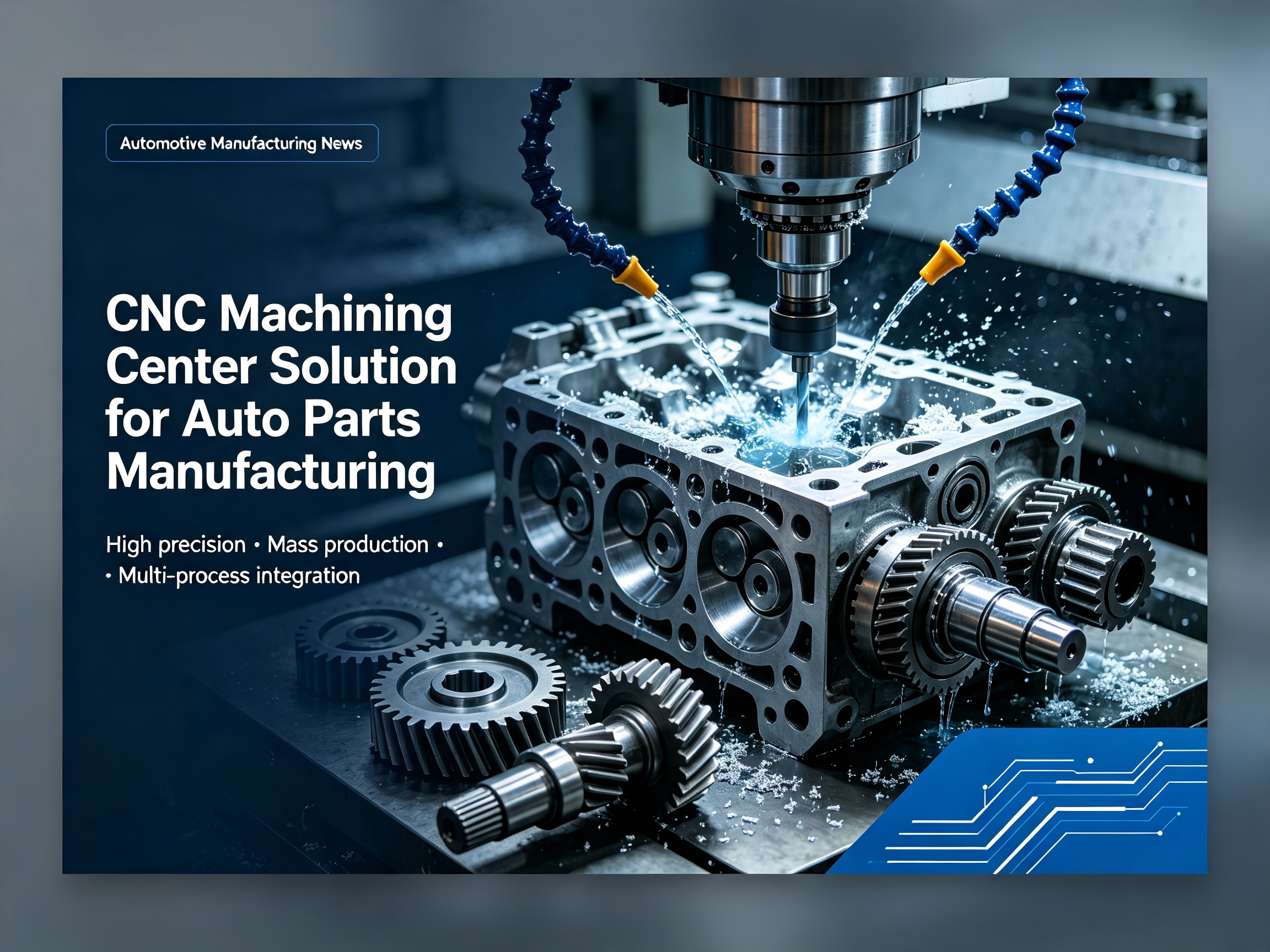 The requirements for automotive parts manufacturing extend far beyond just removing chips. Precision machining, high repeatability, rapid cycles, and the ability to cut hard materials are all essential. This article briefly outlines the main process requirements for automotive machining and explains which machines are suitable for different needs.CNC Machine Industry News
 -
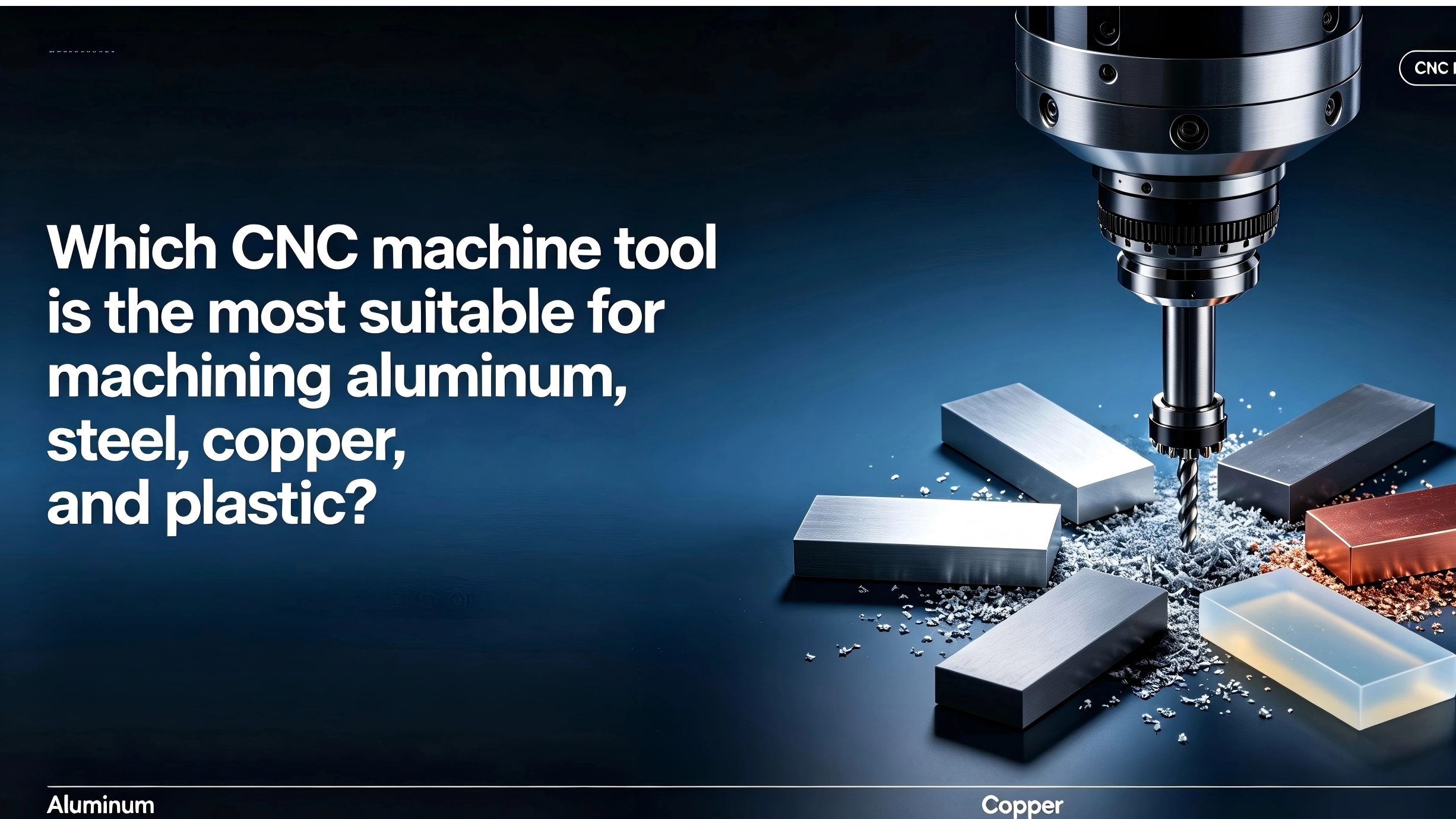 Understanding which machine tool is best suited for machining which material can assist machining factories and machine tool agents in making the optimal choice. This article introduces the materials that can be most effectively machined by CNC milling machines, CNC lathes, and CNC machining centers.CNC Machine Industry News
