



Introduction
When considering industrial automation, which is the better choice: CNC or PLC? Both technologies play key roles in modern manufacturing, but their functions differ significantly. In this article, we will explore how CNC and PLC compare, focusing on their strengths, weaknesses, and ideal applications. For industries using CNC Milling Machines, understanding these differences is essential for improving efficiency and ensuring quality.
Understanding CNC and PLC: A Brief Overview
What is CNC?
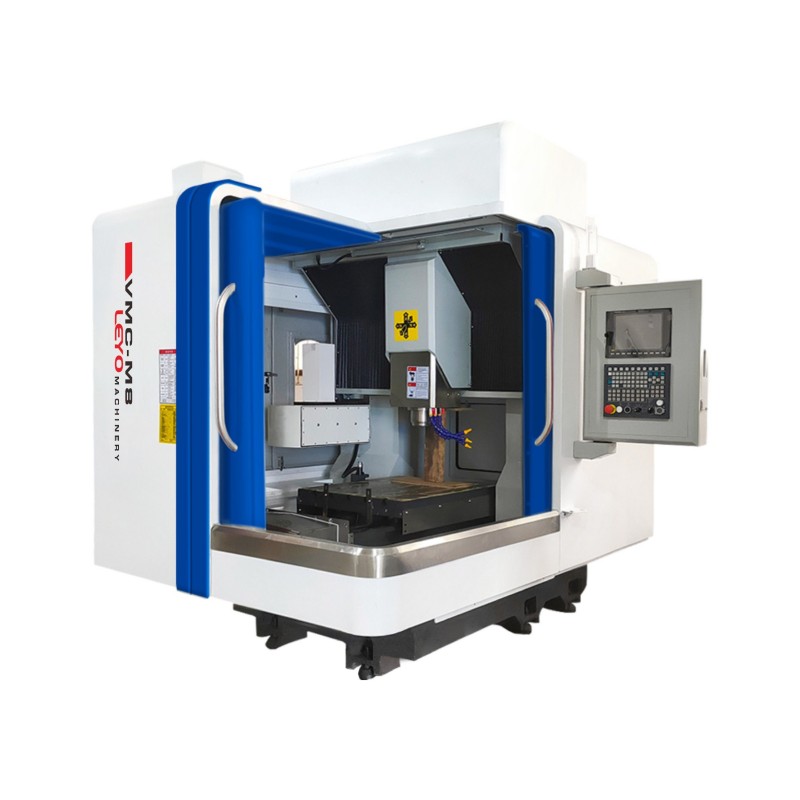
CNC stands for Computer Numerical Control, a technology that allows machines to be operated with precise instructions from a computer. The most common use of CNC is in manufacturing industries, particularly in the operation of CNC Milling Machines. These machines automate the process of removing material from a workpiece to create custom shapes and designs with exceptional precision.
In CNC Milling Machines, for example, the machine follows a series of instructions encoded in G-code. This code dictates the movement of cutting tools across multiple axes to achieve the desired dimensions, tolerances, and finishes. CNC technology is vital for industries where accuracy is paramount, such as aerospace, automotive, and medical device manufacturing.
What is PLC?
On the other hand, PLC stands for Programmable Logic Controller. A PLC is a rugged industrial computer designed to control processes and machinery on assembly lines, in manufacturing facilities, and across various automation systems. Unlike CNC, which specializes in the precision control of machining equipment, PLCs manage and automate broader operational processes.
PLCs are typically programmed using languages like ladder logic or function block diagrams. These systems can handle inputs from sensors, control actuators, and manage various processes in real time. For example, a PLC might control the operation of a conveyor belt, monitor system status, or manage machine cycles on an assembly line. It’s built for flexibility and reliability under challenging industrial conditions.
Key Differences Between CNC and PLC
Purpose and Functionality
CNC is a specialized tool for controlling machinery in precision manufacturing. For example, a CNC Milling Machine is designed to perform complex cutting tasks with great accuracy. It automates processes that require tight tolerances and intricate shapes, which are not achievable through manual methods.
PLC, by contrast, is a general-purpose controller used to automate various industrial processes. It is not restricted to any specific type of machine or task. PLCs are versatile and can be adapted to control machinery, robots, and processes, making them suitable for assembly lines, packaging, and material handling. However, they do not excel in the precise control required for tasks like milling.
Programming and Operation
CNC systems use G-code, a language that provides the specific coordinates and tool paths for machine tools. These codes control the movements of the CNC Milling Machine with extreme precision, ensuring that parts are made to exact specifications.
In contrast, PLCs use ladder logic or function block programming, which is more suited for managing logical operations such as sequencing and monitoring. The programming for PLCs is more about controlling the sequence of operations rather than the fine-tuned control of machining tools.
Criteria | CNC | PLC |
Purpose | Precision machining | General process automation |
Application | CNC Milling Machine | Assembly lines, packaging, material handling |
Programming | G-code | Ladder logic, function block diagrams |
Control | Fine-tuned control of machine tools | Control of operational sequences |
When to Use CNC and When to Use PLC
Use CNC for Precision Machining
If your project involves the production of parts that require high accuracy, such as CNC Milling Machines used in metalworking, automotive, or aerospace industries, CNC is the ideal choice. CNC systems ensure that parts are manufactured to precise specifications and can handle complex geometries that would be difficult or impossible to achieve manually.
Use PLC for General Automation and Control
PLCs are perfect for automating broad systems and processes, such as managing assembly lines, controlling production sequences, and monitoring machine performance. They are well-suited for applications where flexibility and real-time control are needed across different types of equipment. For example, you might use a PLC to control a robotic arm in a manufacturing cell or to manage the sequencing of a multi-step production process.
Advantages and Disadvantages of CNC vs PLC
CNC Advantages
● High Precision: CNC Milling Machines offer exceptional accuracy, making them ideal for industries like aerospace and medical devices that require exact measurements.
● Consistency: CNC machines provide uniform results across large production volumes, minimizing human error and ensuring consistent quality in mass production.
● Complex Designs: CNC is capable of handling intricate designs and complex geometries, making it perfect for custom parts with detailed specifications.
CNC Disadvantages
● High Initial Cost: Setting up a CNC system, especially advanced models, can be expensive, posing a barrier for smaller businesses.
● Skilled Operators: CNC systems require operators with expertise in programming languages like G-code and machine operation, which may lead to a shortage of qualified staff.
● Maintenance: CNC machines require regular maintenance and calibration to maintain accuracy. Neglecting this can lead to costly downtime and reduced machine performance.
Criteria | CNC Advantages | CNC Disadvantages |
Precision | Unmatched accuracy | High initial cost |
Consistency | Uniform results in production | Requires skilled operators |
Design Complexity | Handles complex designs | Needs regular maintenance |
PLC Advantages
● Flexibility: PLCs are easy to reprogram for various applications and processes, making them adaptable to different manufacturing setups.
● Cost-Effective: PLCs tend to be more affordable than CNC systems, especially when used for general automation tasks.
● Reliability: PLCs are robust and designed to function reliably in harsh industrial environments, including extreme temperatures and vibrations.
PLC Disadvantages
● Limited Precision: PLCs are not designed for the high-precision control required in machining processes like CNC.
● Slower Processing: PLCs handle broad process automation but are not ideal for tasks that require fine-tuned control over machine tools.
Criteria | PLC Advantages | PLC Disadvantages |
Flexibility | Easily reprogrammed for various tasks | Limited precision in machining |
Cost | More affordable than CNC | Slower processing for fine control |
Reliability | Functions well in harsh conditions |
CNC vs PLC: A Side-by-Side Comparison
When choosing between CNC and PLC, it’s important to understand their unique strengths and limitations. While both technologies play critical roles in industrial automation, they serve different purposes and are used in varying applications. To help you make an informed decision, we’ve compared the two systems across several key criteria.
Criteria | CNC | PLC |
Purpose | Precision machining (e.g., CNC Milling Machines) | General automation and process control |
Programming | G-code (specific to machining) | Ladder logic, function block diagrams |
Applications | Custom parts, intricate designs | Assembly lines, robotics, process control |
Costs | High initial investment and maintenance | Lower upfront cost, more affordable for broad use |
Flexibility | Less flexible in changing operations | Highly flexible and adaptable to various processes |
Hybrid Approaches: Combining CNC and PLC for Maximum Efficiency
Why Combine CNC and PLC?
While CNC and PLC have distinct purposes, they can work together effectively. In many modern manufacturing environments, combining CNC precision with PLC automation offers a powerful solution. For example, a CNC Milling Machine might be used for cutting parts with high precision, while a PLC manages the broader production system, coordinating material handling, part tracking, and operational sequencing.
Benefits of a Hybrid System
● Increased Efficiency: Combining the strengths of both systems enhances overall production capabilities.
● Greater Scalability: With both systems, manufacturers can adapt to changing production needs without compromising on precision or flexibility.
● Comprehensive Control: Hybrid systems allow for both detailed machining control (via CNC) and broad operational control (via PLC), creating a balanced automation system.
System | Role in Hybrid Approach |
CNC | Provides high precision machining |
PLC | Manages process automation and sequencing |
Conclusion
The choice between CNC and PLC depends on your manufacturing needs. For precision machining and complex parts, a CNC Milling Machine is the best option. However, if you need to automate broader industrial processes, PLCs offer the flexibility and reliability required. In many cases, combining both systems optimizes production, leveraging CNC precision and PLC scalability. LEYO Group provides innovative solutions that integrate both technologies, delivering unmatched value and efficiency in industrial automation.
FAQ
Q: What is the main difference between CNC and PLC?
A: CNC is focused on precision machining, such as with CNC Milling Machines, while PLC is designed for general automation and process control in industries like assembly lines.
Q: Which system is better for precision manufacturing?
A: For precision manufacturing, especially in tasks like milling complex parts, CNC Milling Machines are the better choice due to their high accuracy.
Q: Can CNC be used for automation tasks like PLC?
A: While CNC Milling Machines are specialized for machining, PLC systems are more versatile for general automation, including managing production lines and sensors.
Q: How much does a CNC system cost compared to a PLC?
A: CNC Milling Machines tend to have a higher upfront cost due to their precision capabilities, while PLCs are typically more cost-effective for general automation.
Q: Why use both CNC and PLC in manufacturing?
A: Combining CNC Milling Machines for precision tasks with PLCs for process control enhances efficiency, flexibility, and scalability in complex manufacturing environments.
Q: Can a PLC be used in a CNC system?
A: Yes, a CNC Milling Machine can integrate a PLC to handle specific tasks, such as controlling safety functions or managing the overall system workflow.
Related Articles
-
 Dear Customers and Business Partners,In order to strictly comply with national export control laws and regulations, and to fulfill international obligations, ensuring that our exported CNC milling machines and CNC lathes are fully legal and compliant, we hereby notify you of the relevant policies coCompany News
 -
 Understanding which machine tool is best suited for machining which material can assist machining factories and machine tool agents in making the optimal choice. This article introduces the materials that can be most effectively machined by CNC milling machines, CNC lathes, and CNC machining centers.CNC Machine Industry News
 -
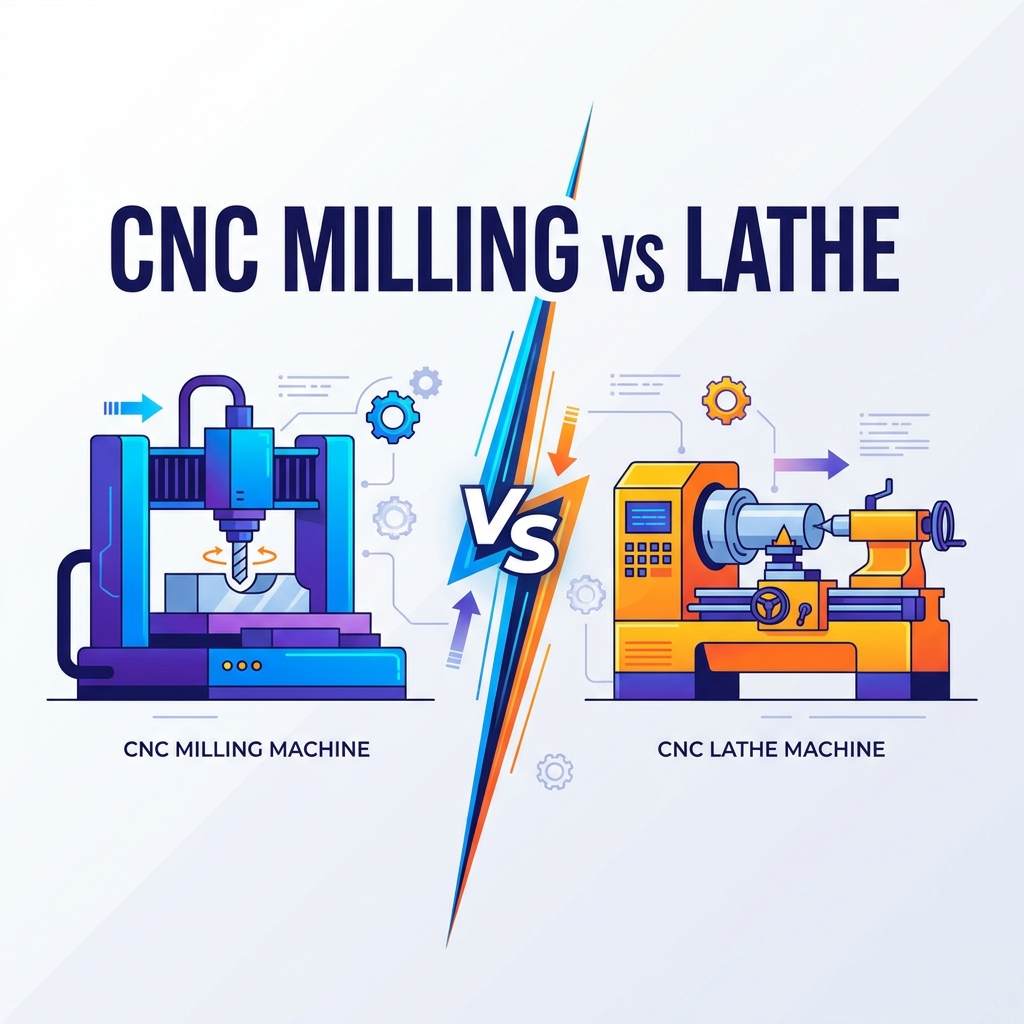 Compare CNC milling vs. turning. Learn differences in kinematics, geometry, cost, and automation to select the right machine for your production.Product news


