



In the world of machining and manufacturing, there are a variety of machines designed for specific tasks, each tailored to meet the unique requirements of different industries. One such machine that plays an essential role in large-scale, high-precision operations is the gantry machine. With its versatile and robust design, a gantry machine is capable of handling a wide range of machining tasks, especially for large and heavy workpieces. These machines are widely used in industries such as aerospace, automotive, shipbuilding, and heavy machinery, where the need for precision and capacity is paramount.
In this article, we will explore the functions and uses of a gantry machine, how it works, and the industries that rely on it. We will also highlight its advantages and key features that make it indispensable in certain applications. By the end of this article, you’ll have a thorough understanding of what a gantry machine is and how it can benefit your manufacturing process.
What is a Gantry Machine?
A gantry machine is a type of CNC (Computer Numerical Control) machine characterized by its overhead gantry structure. This structure supports the moving components of the machine, such as the spindle and tool holders, and allows the tool to move along multiple axes (typically X, Y, and Z axes) to perform a variety of machining tasks.
The distinctive gantry design sets this machine apart from other types of CNC machines. The gantry’s bridge-like frame provides superior stability, allowing for precision machining of large, heavy, and intricate workpieces. This design is particularly beneficial when working with large components, where traditional machines may struggle to maintain accuracy or stability.
Gantry machines are often used for milling, drilling, cutting, and engraving tasks. They come in various configurations, including vertical and horizontal types, depending on the application.
How Does a Gantry Machine Work?
A gantry machine operates by moving the cutting tool or spindle along multiple axes to cut, shape, or finish a workpiece. The movement is controlled by a CNC system, which receives instructions from the operator or pre-programmed software. Here's how the basic operation of a gantry machine works:
1. Workpiece Setup
The workpiece is securely placed on the machine's bed or table. In some cases, the bed itself may move along the X or Y axis, while in other designs, the gantry structure moves along these axes to manipulate the tool. The workpiece remains stationary in most gantry machines, providing a stable surface for precise machining.
2. CNC Programming
The CNC system is responsible for controlling the movement of the tool and workpiece. The operator inputs the machining instructions, which could include cutting paths, feed rates, and tool changes, into the system. The machine then uses this data to execute the required operations, ensuring that the machine follows the correct sequence and path.
3. Multi-Axis Movement
The cutting tool or spindle moves along the X, Y, and Z axes to mill, cut, or drill the workpiece. Gantry machines are often equipped with advanced software that allows for precise control of the machine’s movements. Depending on the complexity of the part, some gantry machines may include additional axes (like A and B for rotation), which give the operator more flexibility in the machining process.
4. Cutting or Milling Process
As the tool moves along the programmed path, it removes material from the workpiece, creating the desired shape. Gantry machines can perform various operations, such as roughing (removing large amounts of material) and finishing (creating smooth, precise surfaces).
5. Completion and Inspection
Once the machining process is complete, the workpiece is removed from the machine. It is often inspected for quality assurance to ensure that the final product meets the required specifications. Depending on the complexity of the part, additional steps such as polishing or assembly may follow.
Applications of Gantry Machines
Gantry machines are versatile tools and are used in various industries for a wide range of applications. Some of the most common uses include:
1. Aerospace Industry
In the aerospace industry, gantry machines are used to produce large and complex components, such as wing structures, fuselage parts, and engine components. The high precision and ability to handle large workpieces make gantry machines ideal for this demanding industry.
2. Automotive Industry
The automotive industry relies on gantry machines for manufacturing critical components such as engine blocks, transmission housings, and other heavy parts. Gantry machines allow for the precise machining of these parts while ensuring durability and quality.
3. Heavy Machinery Manufacturing
Gantry machines are commonly used in the production of heavy machinery components, including gears, shafts, and housings. These components require precision and the ability to handle heavy workloads, making gantry machines the perfect choice.
4. Shipbuilding and Marine Industry
In shipbuilding, gantry machines are used for large-scale machining operations, such as cutting and milling ship hulls, decks, and other structural components. Gantry machines are particularly useful for handling the oversized materials typically used in shipbuilding.
5. Mold and Die Manufacturing
Mold and die manufacturers rely on gantry machines to produce molds for plastic injection molding, die-casting, and other production processes. The high precision required for these parts makes gantry machines an ideal tool for creating molds and dies used in various manufacturing processes.
Key Features of Gantry Machines
Gantry machines have several key features that make them stand out in the manufacturing industry:
1. Stability and Precision
The gantry structure provides superior stability, which is crucial for achieving high precision. This makes gantry machines ideal for industries that require tight tolerances, such as aerospace, automotive, and mold manufacturing.
2. Large Workpiece Capability
One of the most significant advantages of gantry machines is their ability to handle large workpieces. With the gantry design, the machine is capable of machining large components that would be difficult to handle with traditional machines. This feature is especially useful in industries like shipbuilding and heavy machinery manufacturing, where large parts are common.
3. Multi-Axis Movement
Gantry machines typically operate on multiple axes (X, Y, and Z), allowing them to handle complex cuts and shapes. This multi-axis movement allows the machine to perform a variety of operations, such as drilling, cutting, and milling, with high accuracy.
4. Flexibility and Versatility
Gantry machines can be configured to perform different operations, from roughing to finishing, and can be equipped with different tools for different machining tasks. This versatility makes them suitable for a wide range of applications in multiple industries.
Advantages of Gantry Machines
Gantry machines offer several key advantages:
1. High Precision and Accuracy
The combination of the gantry design and CNC control ensures that gantry machines deliver high levels of precision and accuracy. This is critical for industries where even the slightest error can affect the quality of the final product.
2. Capability for Large and Heavy Components
Gantry machines are ideal for machining large, heavy components that require stability and precision. This feature is especially beneficial in industries such as aerospace, automotive, and shipbuilding.
3. Versatility in Machining Operations
With multi-axis movement and the ability to work with different tools, gantry machines can perform a wide range of operations, making them highly versatile for various machining needs.
4. Durability and Reliability
The robust construction of gantry machines ensures that they can handle heavy workloads without compromising precision or stability. This durability makes them suitable for high-volume and high-performance operations.
Conclusion
A gantry machine is an essential tool for industries that require high-precision machining of large, complex components. Its ability to handle large workpieces, combined with multi-axis movement and CNC control, makes it ideal for applications in aerospace, automotive, shipbuilding, and heavy machinery manufacturing. The key advantages of gantry machines—such as stability, precision, and versatility—make them indispensable in many advanced manufacturing processes.
For more information on gantry machines and how they can improve your manufacturing process, contact LEYO. With years of experience and a commitment to quality, they provide high-quality machining solutions that can meet the demanding needs of modern industries.
FAQ
Q: What is the difference between a gantry machine and a conventional milling machine?
A: A gantry machine features an overhead bridge-like frame, allowing it to handle larger workpieces with greater precision, while conventional milling machines usually have a table that moves underneath the tool.
Q: What industries benefit the most from gantry machines?
A: Gantry machines are widely used in industries such as aerospace, automotive, shipbuilding, heavy machinery manufacturing, and mold and die production, where large and complex parts need to be machined with high precision.
Q: Can gantry machines be used for both milling and drilling?
A: Yes, gantry machines are versatile and can perform various operations, including milling, drilling, cutting, and surface finishing, depending on the requirements.
Q: How does CNC control enhance the performance of gantry machines?
A: CNC control allows for precise, automated operation of the gantry machine, ensuring consistent quality, reducing human error, and enabling complex machining tasks with high accuracy.
Related Articles
-
 Dear Customers and Business Partners,In order to strictly comply with national export control laws and regulations, and to fulfill international obligations, ensuring that our exported CNC milling machines and CNC lathes are fully legal and compliant, we hereby notify you of the relevant policies coCompany News
 -
 Understanding which machine tool is best suited for machining which material can assist machining factories and machine tool agents in making the optimal choice. This article introduces the materials that can be most effectively machined by CNC milling machines, CNC lathes, and CNC machining centers.CNC Machine Industry News
 -
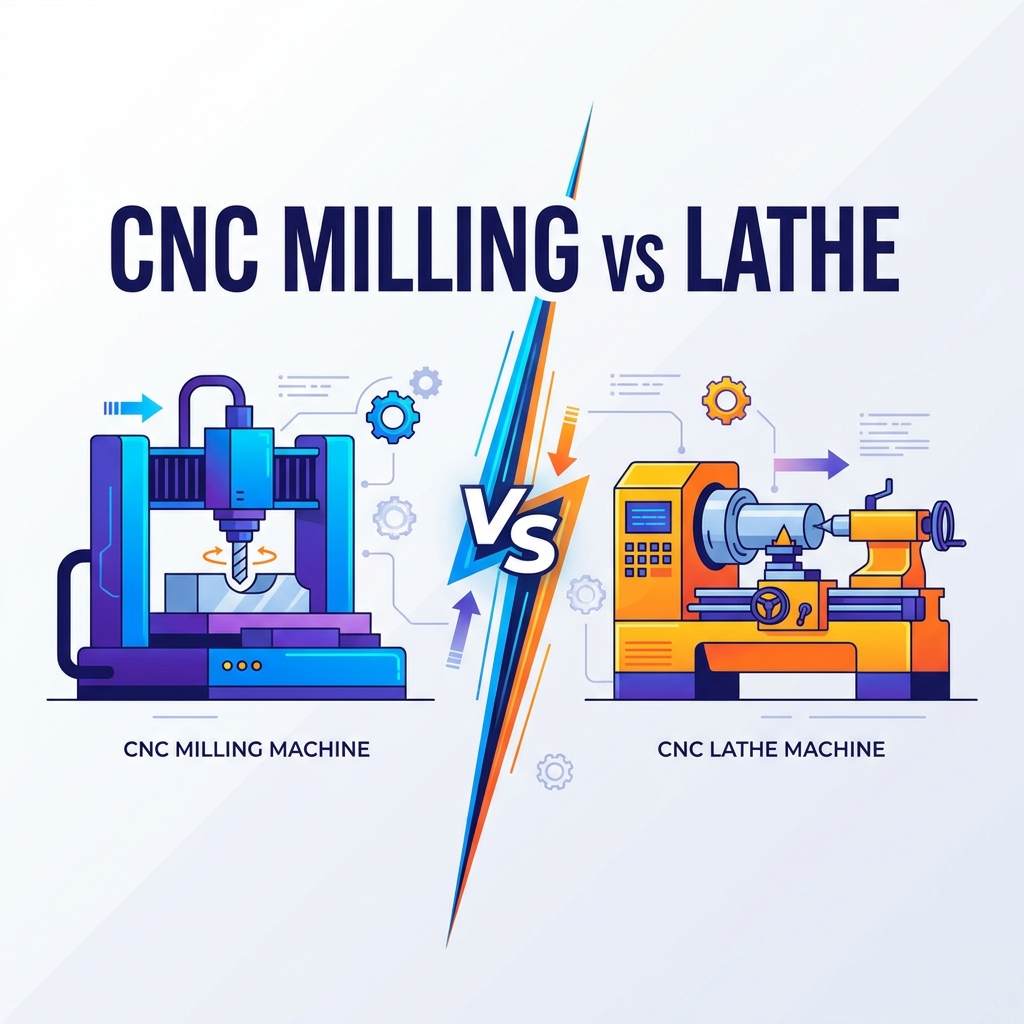 Compare CNC milling vs. turning. Learn differences in kinematics, geometry, cost, and automation to select the right machine for your production.Product news


