



In the world of computer numerical control (CNC) machines, precision and efficiency are paramount. CNC machines, used for various applications in industries like aerospace, automotive, and manufacturing, rely on complex mechanisms to achieve high levels of accuracy. One of the most crucial components of a CNC machine is the gantry. This structural element plays a significant role in ensuring the stability, accuracy, and reliability of the machine during operation.
In this article, we will explore the concept of a gantry in CNC machines, its function, how it contributes to the machine's overall performance, and the different types of gantries commonly used in CNC machinery. By understanding the role of the gantry, you will gain valuable insight into how CNC machines work and how to select the best system for your manufacturing needs.
What is a Gantry in a CNC Machine?
The term gantry refers to a structural framework that supports the moving components of a CNC machine, such as the spindle, cutting tools, and control systems. Essentially, it acts as the backbone of the machine, providing stability and support while enabling precise movements. The gantry is often described as a bridge-like structure that spans over the workpiece, hence the name "gantry."
In a CNC machine, the gantry typically supports the X-axis, Y-axis, and Z-axis movements, allowing for multi-directional machining. It serves as the foundation for the machine’s motion system, guiding the tool to perform tasks like cutting, drilling, and milling on the workpiece. The design of the gantry is crucial in achieving high precision and maintaining the overall performance of the CNC system.
How Does the Gantry Work in a CNC Machine?
The gantry in a CNC machine enables several key movements that are essential for the machining process. Here’s a breakdown of how the gantry functions in a CNC system:
1. Structural Support and Stability
The gantry provides the structural support for the entire machine. It holds the components in place and ensures that the machine stays stable during operation. Stability is especially important in CNC machines, as even slight vibrations or misalignments can lead to errors in the final product. The rigidity of the gantry minimizes these issues, ensuring that the machine remains precise and reliable, even when working with large or heavy materials.
2. Multi-Axis Movement
In many CNC machines, the gantry supports multi-axis movement. The X-axis typically refers to the horizontal movement, the Y-axis refers to the lateral movement, and the Z-axis refers to the vertical movement. The movement of the gantry and the connected spindle in these three directions allows the cutting tool to approach the workpiece from various angles.
Additionally, more advanced CNC machines may include additional rotational axes (A, B, C), providing even greater flexibility and enabling the machining of complex parts with intricate geometries.
3. Motion Control System
The gantry moves along these axes using a motion control system, often driven by motors and linear guides. The CNC control system sends commands to the motors, instructing the gantry to move the tool or workpiece to the precise location needed for each machining step. This process is highly automated, allowing the machine to perform repetitive tasks with consistent accuracy.
The precision of the gantry’s movement is a key factor in achieving the required level of detail in CNC machining. The stability and rigidity of the gantry ensure that the tool can execute movements with minimal deviation, resulting in high-quality finished products.
Types of Gantry Designs in CNC Machines
Gantry CNC machines come in various configurations and designs, depending on the type of work being performed and the size of the workpiece. The most common types of gantry designs in CNC machines include:
1. Open Gantry Design
The open gantry design is one of the most common types found in CNC machines. In this design, the gantry is supported by two vertical columns, with the spindle or cutting tool mounted on a horizontal crossbeam. The workpiece is placed on a table beneath the gantry, which moves the tool along the X, Y, and Z axes.
This design is widely used for milling, cutting, and engraving tasks that require precision and versatility. The open gantry design allows for easy access to the workpiece from all sides, making it ideal for operations like drilling, contouring, and engraving large workpieces.
2. Closed Gantry Design
The closed gantry design is a more rigid and enclosed version of the open gantry. In this design, the gantry structure surrounds the moving components and the workpiece, providing additional support and stability. Closed gantries are often used in applications where high precision and rigidity are critical, such as in aerospace or automotive manufacturing.
This design can be more robust and capable of handling higher loads and stresses, making it suitable for applications that require machining of large, heavy components or materials that are difficult to cut or shape.
3. Dual Gantry Design
The dual gantry design uses two independent gantries, which can move along different axes simultaneously. This design is typically used in large-format CNC machines or applications that require machining large parts from both sides. Dual gantries allow for the simultaneous handling of two different parts or operations, increasing efficiency and productivity.
Benefits of Gantry CNC Machines
Gantry CNC machines offer several advantages that make them ideal for certain types of machining operations:
1. High Precision and Stability
The gantry structure provides excellent stability, which is crucial for achieving precise cuts and accurate dimensions. With its rigid design, the gantry reduces vibrations and flexing, ensuring that the cutting tool can move with high precision, even during complex tasks.
2. Ability to Handle Large Workpieces
Gantry CNC machines are designed to handle large and heavy workpieces that may be too cumbersome or unstable for smaller machines. The spacious bed or table can accommodate large parts, making gantry machines ideal for industries like aerospace, automotive, and shipbuilding, where large components are common.
3. Versatility and Flexibility
With multi-axis movement, gantry CNC machines offer versatility in handling a wide range of machining tasks. Whether it's milling, drilling, or cutting, the gantry design allows the machine to work on parts from multiple angles, increasing the flexibility of the operations.
4. Increased Productivity
Because gantry CNC machines are designed for high-speed, automated operations, they can improve productivity in manufacturing settings. The machine’s ability to run complex tasks with minimal human intervention increases throughput, making it ideal for high-volume production.
Applications of Gantry Machines
Gantry machines are widely used across various industries that require large, precise parts and high-performance machining. Some common applications of gantry machines include:
1. Aerospace Manufacturing
In aerospace manufacturing, gantry CNC machines are used to machine large, high-precision components like engine housings, fuselage parts, and wing structures. The ability to handle large workpieces and maintain tight tolerances makes gantry machines essential for producing critical aerospace components.
2. Automotive Industry
The automotive industry relies on gantry CNC machines to manufacture components such as engine blocks, transmission parts, and large molds. Gantry machines allow for efficient and precise machining of these heavy-duty components, ensuring the reliability and safety of automotive systems.
3. Shipbuilding and Marine Industry
In shipbuilding, gantry CNC machines are used to machine massive components like hulls, propellers, and engines. The size and rigidity of the gantry structure make it ideal for machining the large parts commonly used in shipbuilding.
4. Heavy Machinery Manufacturing
Gantry machines are also used in the production of heavy machinery parts, such as gears, shafts, and housings. These parts require heavy-duty machining and high precision, making gantry machines the ideal tool for the job.
5. Mold and Die Manufacturing
In mold and die manufacturing, gantry CNC machines are used to create complex molds for plastic injection molding, die-casting, and other processes. Their precision and ability to work with large materials make them ideal for producing molds with intricate designs.
Conclusion
The gantry in a CNC machine plays a pivotal role in ensuring stability, precision, and reliability in machining operations. With its multi-axis capabilities and ability to handle large workpieces, a gantry machine is an indispensable tool for industries that require high-precision machining of heavy, complex components. From aerospace and automotive to shipbuilding and heavy machinery manufacturing, gantry CNC machines provide the flexibility and performance needed for a wide range of applications.
For more information on gantry CNC machines and how they can improve your manufacturing process, contact LEYO. With years of experience and expertise in precision machining, LEYO provides the right solutions to meet your needs and help streamline your operations.
FAQ
Q: What is the difference between a gantry CNC machine and a regular CNC machine?
A: The main difference lies in the gantry structure. In a gantry CNC machine, the overhead gantry supports the tool, while in regular CNC machines, the table or workpiece moves underneath the tool.
Q: What industries benefit from using gantry CNC machines?
A: Industries like aerospace, automotive, shipbuilding, heavy machinery manufacturing, and mold and die manufacturing rely on gantry CNC machines for their ability to handle large, complex parts with precision.
Q: Can gantry CNC machines handle both milling and drilling operations?
A: Yes, gantry CNC machines are versatile and can perform various operations, including milling, drilling, cutting, and surface finishing, making them ideal for complex machining tasks.
Q: How does CNC control improve the performance of gantry CNC machines?
A: CNC control ensures precise and automated operation, allowing the gantry machine to execute complex tasks with high accuracy and repeatability, minimizing human error and increasing productivity.
Related Articles
-
 Dear Customers and Business Partners,In order to strictly comply with national export control laws and regulations, and to fulfill international obligations, ensuring that our exported CNC milling machines and CNC lathes are fully legal and compliant, we hereby notify you of the relevant policies coCompany News
 -
 Understanding which machine tool is best suited for machining which material can assist machining factories and machine tool agents in making the optimal choice. This article introduces the materials that can be most effectively machined by CNC milling machines, CNC lathes, and CNC machining centers.CNC Machine Industry News
 -
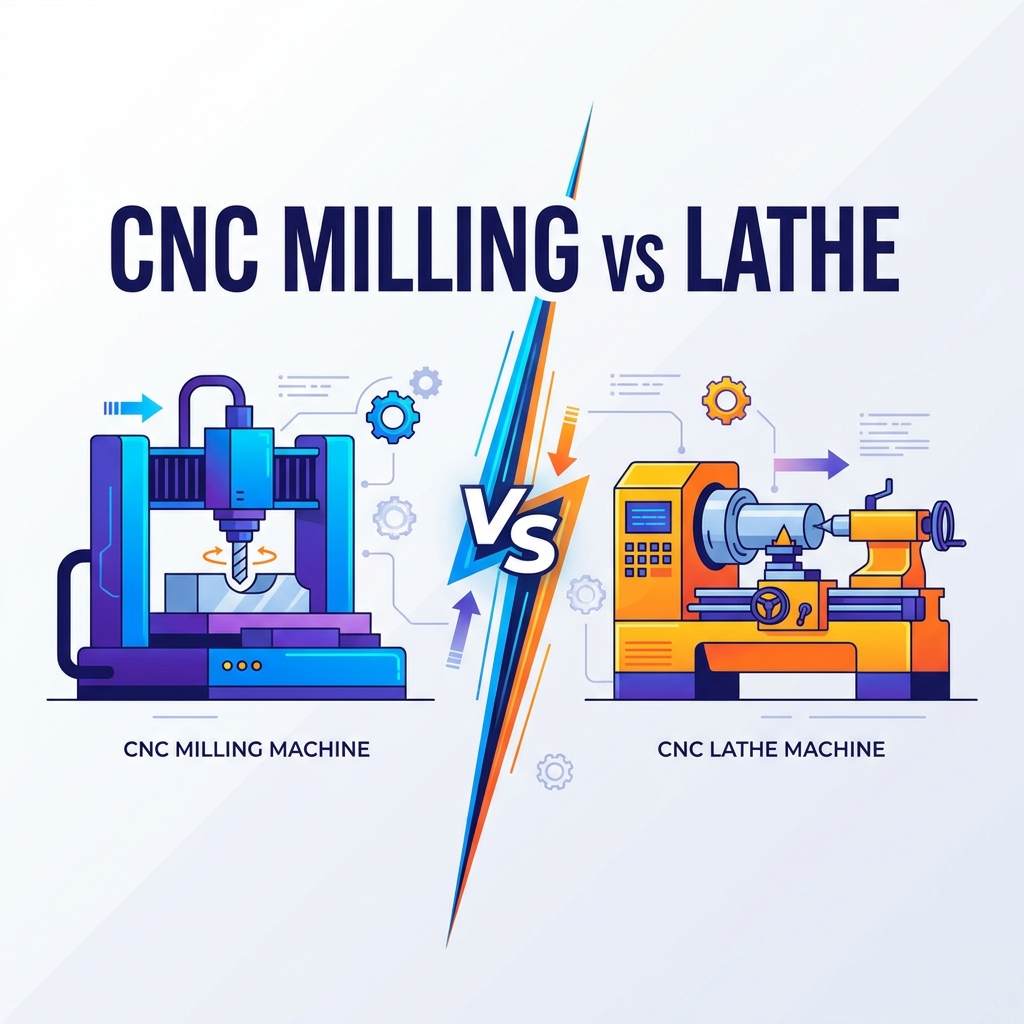 Compare CNC milling vs. turning. Learn differences in kinematics, geometry, cost, and automation to select the right machine for your production.Product news


