



Precision manufacturing demands an uncompromising balance between extreme geometric accuracy, scalability, and cost control. Engineers designing cylindrical or rotational parts quickly discover the strict limits of traditional machining. Manual processes completely fail to meet modern cycle-time constraints. They also struggle to achieve strict tolerance requirements consistently. You need a system built for exact repetition. CNC Turning Machine technology solves this problem elegantly. These advanced systems automate the subtraction of material from a rapidly rotating workpiece. They deliver consistent repeatability across medium-to-high volume production runs. This guide breaks down the core applications and material capabilities of modern turning centers. We will explore primary cost drivers and essential evaluation criteria. You will learn how to determine if this subtractive process fits your high-precision components. Selecting the right manufacturing method guarantees better product performance and higher profit margins.
Key Takeaways
Optimal Geometry: Purpose-built for producing cylindrical, conical, and threaded geometries with extreme concentricity.
Industry Compliance: Heavily utilized in highly regulated sectors (Aerospace, Medical) requiring traceability and tough-to-machine superalloys.
Cost Efficiency: Highly price-competitive for medium-volume production, provided parts are designed with CNC accessibility (DFM) in mind.
Operational Mechanics: Turning Capabilities vs. Milling Alternatives
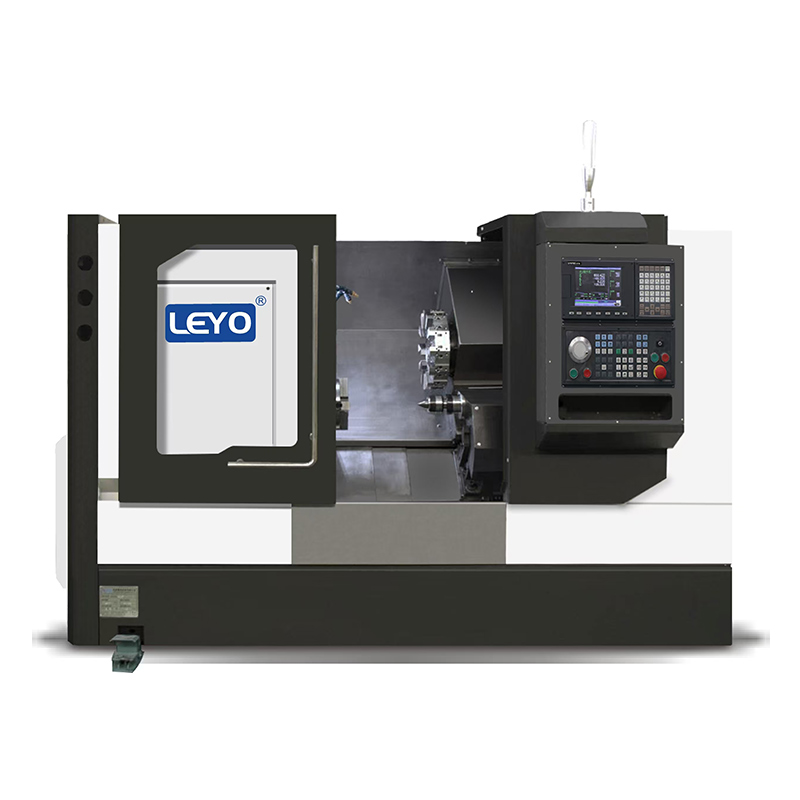
How does turning differ from other machining methods? Unlike CNC milling, where the tool rotates against a stationary part, a turning center uses a fundamentally different approach. The machine rotates the workpiece at exceptionally high speeds. It presses the solid metal against a rigidly mounted, linearly translating cutting tool. This exact mechanical setup makes turning perfect for creating symmetrical, round objects.
A Machine Control Unit (MCU) serves as the brain behind the entire operation. This industrial computer coordinates precise mechanical movements using specific programming languages. G-code handles physical positioning, rotational spindle speed, and cutting tool feed rates. M-code manages secondary auxiliary machine functions. These secondary functions include automated coolant flow, automatic tool changes, and spindle braking.
We evaluate core machining operations based on their single-setup execution capabilities. Operators use these machines for multiple distinct procedures. Facing creates a smooth, flat surface on the end of the workpiece. Grooving cuts narrow channels into the cylindrical surface. Parting separates the finished component from the raw bar stock. Threading cuts internal or external screw threads into the metal. Knurling presses a textured diamond pattern into the exterior for better grip.
However, the process carries inherent limitations. Because it relies entirely on subtractive manufacturing, it generates unavoidable material waste. Turning also struggles when engineers require complex internal cavities. Squarish profiles and non-symmetrical shapes also present major challenges for standard turning centers.
Critical Industry Applications and Material Realities
Many highly regulated sectors rely on advanced manufacturing technology. A modern CNC Turning Machine builds the foundational components for our most critical infrastructure. The demand for perfection remains non-negotiable across these vital fields.
Aerospace & Defense
Aerospace engineers face incredibly unique design challenges daily. They must design turbine shafts, specialized aircraft fasteners, and precision sensor housings. These components require exceptionally tough, lightweight metals. Facilities regularly machine high-strength superalloys like Titanium and Inconel. We know these specific materials resist extreme heat and immense atmospheric pressure. Suppliers must also align their operations to strict compliance standards.
Medical & Healthcare
Medical device manufacturing leaves absolutely zero room for geometric error. Shops produce bone screws, complex surgical instruments, and durable orthopedic implant components. Engineers must carefully evaluate biocompatible materials for these devices before production begins. Operators frequently turn PEEK plastics and surgical-grade stainless steel. These finished parts must endure rigorous hospital sterilization protocols. They must survive frequent autoclaving without losing structural integrity or surface finish.
Emerging Technologies (Energy & Data Centers)
Newer tech industries also drive massive demand for precise cylindrical parts. Green energy companies need perfectly balanced wind turbine hubs for efficient power generation. The electric vehicle sector requires custom cylindrical battery enclosures ensuring maximum safety. In the data storage space, modern server facilities need precision heat sinks. These intricate heat sinks keep high-density server chassis cool during peak operation.
Selecting the Right Turning Architecture for Part Complexity
You must match your component design to the correct machine type. Choosing the wrong equipment inflates production costs and heavily extends delivery lead times. Let us compare the three primary architectures available today.
Standard Multi-Axis CNC Lathes
Standard multi-axis lathes offer robust, highly versatile performance for general machine shops. They work best for moderate complexity parts requiring standard tolerances. These machines deliver rapid production throughput alongside excellent overall cost-efficiency. However, the setup reality sometimes requires secondary operations offline. If your part features off-axis holes, you might need a separate milling step later.
Swiss-Type CNC Machining
Swiss-type setups rely on unique guide bushing integration. The machine feeds raw bar stock directly through a precision guide bushing. This mechanical mechanism provides zero-deflection support immediately adjacent to the active cutting tool. We strongly recommend Swiss turning for extreme micro-components. Examples include luxury watch timepieces, sensitive optical equipment, and firearm firing pins. These specific items usually feature high length-to-diameter ratios requiring intense physical stability during cutting.
Mill-Turn Composite Centers
A mill-turn composite center represents the absolute pinnacle of machine integration. The mechanism physically combines live tooling for milling inside a traditional turning environment. This powerful hybrid approach completes complex parts in a single configuration. The ultimate business outcome is highly measurable and extremely profitable. You drastically reduce manual part handling across the factory floor. You eliminate stacked setup errors normally caused by moving parts between different machines. This automated consolidation drastically compresses your overall project lead times.
Architecture Comparison Chart
| Machine Architecture | Ideal Part Complexity | Key Mechanical Feature | Primary Advantage |
|---|---|---|---|
| Standard Multi-Axis | Moderate complexity | Standard chuck holding mechanism | Balanced throughput and setup efficiency |
| Swiss-Type | Extreme / Micro components | Guide bushing support mechanism | Zero deflection on long, slender parts |
| Mill-Turn Composite | High / Mixed geometric features | Live tooling milling integration | Complete single-setup part execution |
DFM and Cost Architecture: Optimizing Your Turning Project
Engineers must understand exactly what drives pricing on the shop floor. Smart design directly lowers your ongoing manufacturing invoices. Minor CAD adjustments yield massive financial savings.
Primary Cost Drivers
Volume economics play a massive role in final part pricing. High initial setup and programming costs exist for every single new job. However, facilities rapidly amortize these initial costs over medium-to-large production runs. Producing five parts costs much more per unit than producing five hundred identical parts.
Material selection also heavily dictates your final commercial bill. Machinability directly impacts cutting cycle time and machine tool wear. Cutting aerospace-grade Titanium requires much slower feed rates to prevent catastrophic overheating. Operators must replace expensive carbide cutting inserts frequently. In contrast, cutting standard Aluminum happens incredibly quickly. This softer metal preserves tooling life and dramatically speeds up production.
Design for Manufacturing (DFM) Rules
To keep costs low, always follow these proven design principles:
Tool Accessibility: Avoid designing deep, narrow holes inside your components. Never include internal right angles. These specific features require specialized, fragile tooling. Fragile tools frequently break, halting production lines immediately.
Strategic Tolerancing: Over-tolerancing non-critical dimensions exponentially increases your final cost. Reserve ultra-tight tolerances only for crucial mating surfaces. Open up tolerances on cosmetic or free-floating dimensions.
Wall Thickness: Excessively thin walls present massive manufacturing risks. They can cause destructive chatter, severe vibration, and total structural failure during high-speed rotation. Maintain robust wall thicknesses wherever geometrically possible.
Buyer’s Framework: Evaluating Equipment Specs and Vendor Reliability
How do you evaluate a prospective manufacturing partner? You need to deeply scrutinize their physical hardware and their operational maturity. You cannot rely on sales pitches alone.
Hardware Specifications to Scrutinize
When reviewing a machine shop's equipment list, always check these critical technical parameters:
Swing Diameter & Turning Length: This specific measurement defines the absolute maximum physical envelope of your workpiece. It determines the largest part the machine can physically accommodate.
Spindle Speed and Power: High horsepower dictates the ability to efficiently cut harder metal alloys. Weak spindles stall or chatter under heavy cutting loads. High spindle speeds ensure smooth finishes on smaller diameter parts.
Tool Turret Capacity: Higher tool station counts provide massive operational flexibility. They allow for complex, multi-feature execution. More tools mean fewer manual operator interventions during long production cycles.
Vendor Capabilities & Future-Proofing
Look far beyond the physical iron sitting on the shop floor. True vendor reliability comes from modern digitized processes and advanced software integration.
Seek out automation maturity during your vendor evaluation process. Look for genuine "lights-out manufacturing" capabilities. Examples include robotic part loading and robotic unloading systems. This specific automation ensures 24/7 continuous productivity. It also drastically lowers labor-driven price premiums for your bulk orders.
Quality assurance must be highly systematic and entirely data-driven. Demand the mandatory utilization of automated CMM verification. Coordinate Measuring Machines guarantee strict batch-to-batch repeatability across thousands of parts. You must insist on traceable inspection reports.
Finally, ask your vendors about AI and software integration. Leading manufacturing setups now leverage complex AI algorithms. They use these predictive tools for automated machine calibration. AI also aids defect prevention and generates highly optimized toolpaths automatically.
Conclusion
A CNC Turning Machine remains the undisputed standard for precision cylindrical manufacturing. These systems offer unparalleled repeatability when you match your part to the correct machine architecture. Standard, Swiss, or Mill-Turn options each serve a distinct, highly profitable purpose.
Consider these final takeaways and action-oriented next steps:
Final procurement decisions should heavily weight the component's underlying geometry.
Always evaluate the required material machinability before committing to a final design.
Calculate your volume-to-setup cost ratio to ensure financial viability for small runs.
Finalize your CAD models using turning-specific DFM principles to prevent production delays.
Prepare detailed 3D models before requesting functional prototypes or vendor RFQs.
FAQ
Q: What is the difference between a CNC lathe and a CNC turning center?
A: A basic CNC lathe typically features two axes (X and Z). Operators use it for straightforward turning operations. A CNC turning center operates as a much more advanced system. It includes multiple axes, live tooling for milling, and often secondary sub-spindles. This advanced setup allows turning centers to complete highly complex parts in a single setup.
Q: How do material choices affect the cost of CNC turning?
A: Harder materials like titanium or superalloys take much longer to machine safely. They require slower spindle speeds to prevent overheating. These tough metals also degrade cutting tools rapidly, requiring frequent replacements. Softer materials like aluminum cut quickly and cleanly. This drastically reduces machine time and lowers your overall production cost.
Q: When should I specify Swiss CNC turning over standard multi-axis turning?
A: You should specify Swiss turning for extremely small, slender components. If your part features a high length-to-diameter ratio, traditional lathes cause the material to bend. Swiss machines use a guide bushing to support the metal right next to the cutting tool. This mechanism completely eliminates deflection during the cutting process.
Related Articles
-
 Dear Customers and Business Partners,In order to strictly comply with national export control laws and regulations, and to fulfill international obligations, ensuring that our exported CNC milling machines and CNC lathes are fully legal and compliant, we hereby notify you of the relevant policies coCompany News
 -
 Eliminate part deflection and chatter. Master expert workholding strategies for vertical milling machines to maximize CNC precision and reduce scrap.Product news
 -
 Stop tool breakage and scrap parts. Discover how horizontal milling machines use gravity for flawless chip evacuation and maximum ROI.Product news
