



Introduction
CNC (Computer Numerical Control) machines are vital in modern manufacturing, shaping parts for industries like aerospace, automotive, and electronics. As a business owner or manager, you may wonder, "How long do CNC machines last?" Understanding their lifespan is key to making smart investment and maintenance decisions.
In this article, we'll explore the factors that impact the lifespan of CNC Milling Machines and provide practical strategies to maximize their longevity.
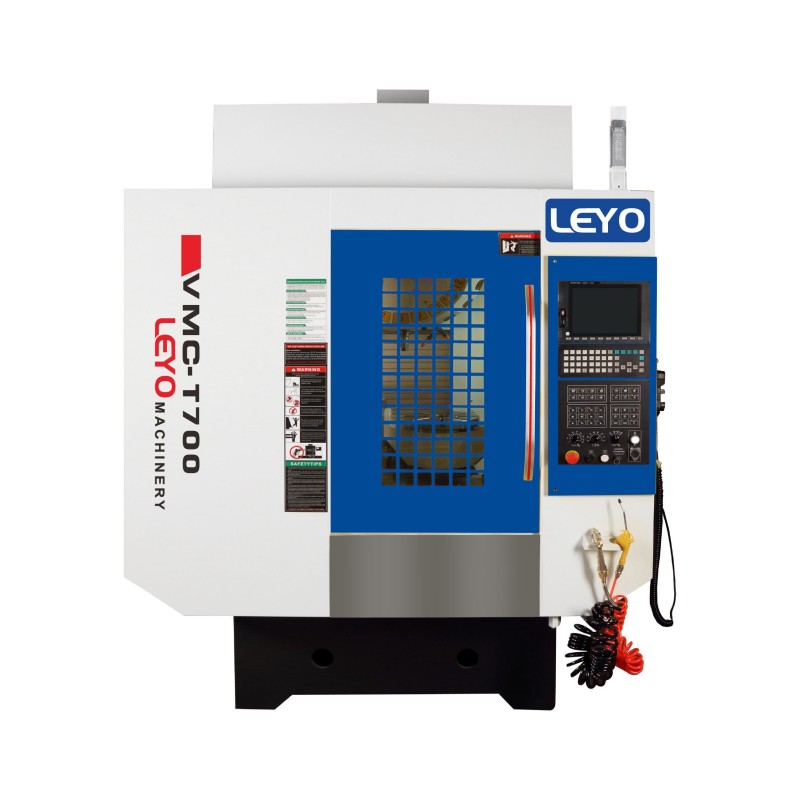
Factors That Affect the Lifespan of CNC Machines
Usage Intensity
The frequency and intensity of use have a significant impact on how long a CNC Milling Machine will last. Machines used for high-volume production, running 24/7, will naturally experience more wear compared to those used for lighter, less frequent tasks.
For example, a CNC Milling Machine used for small batch runs may last much longer than one operating at full capacity daily. It's essential to match machine usage to its design specifications to ensure longevity.
High usage leads to faster wear on components such as spindles, bearings, and motors, while lighter use can extend the life of these critical parts.
Operator Skill and Maintenance Practices
An experienced operator can help a CNC Milling Machine last longer by running it within its capabilities and ensuring that it receives proper maintenance. Conversely, less skilled operators might unknowingly push the machine beyond its limits, leading to faster wear and tear.
Regular maintenance, including tasks like lubrication, cleaning filters, and aligning components, is vital. Neglecting these routine tasks can result in operational inefficiency and ultimately shorten the machine’s lifespan.
Build Quality of CNC Machines
The construction quality of a CNC Milling Machine plays a critical role in determining its longevity. High-quality machines built with durable materials and precise engineering will outlast cheaper alternatives. When selecting a CNC machine, it’s important to consider the brand reputation and the materials used in its construction. High-end models are typically built to withstand the rigors of industrial use and provide reliable service for many years.
Machines from reputable brands often come with features designed to enhance durability, making them a better investment over the long term.
Environmental Factors
External conditions such as temperature, humidity, and exposure to contaminants can also affect the lifespan of your CNC machine. For instance, machines kept in environments with extreme temperatures or high humidity are more prone to rust and wear.
Maintaining a clean, dry, and temperature-controlled environment can help reduce the effects of environmental stressors on machine components, ensuring better performance and longer operational life.
Factor | Impact on Lifespan |
Usage Intensity | High usage leads to faster wear on parts. |
Operator Skill & Maintenance | Experienced operators and regular maintenance extend life. |
Build Quality | High-quality machines last longer with less wear. |
Environmental Factors | Extreme conditions (heat, humidity) shorten lifespan. |
What Is the Typical Lifespan of a CNC Machine?
Average Lifespan of CNC Milling Machines
On average, a CNC Milling Machine can last between 10 to 20 years, depending on how it’s used, maintained, and the quality of its construction. However, some well-maintained machines can exceed this range and continue to function efficiently beyond 20 years.
Routine maintenance is crucial to keeping a CNC machine in good working order. Regular inspections, lubrication, and replacing worn-out components can all contribute to extending the machine's lifespan.
Can Some CNC Machines Last Longer?
Yes, some CNC Milling Machines can last longer than the average 10-20 years. Machines that are well-maintained, have quality components, and receive regular upgrades often perform well beyond this typical range. Technological advancements also play a role; machines that are adaptable to modern upgrades (such as software updates and hardware improvements) can remain operational for many years.
Investing in machine upgrades, like replacing outdated parts (e.g., spindles, motors), can help keep the machine performing like new, extending its useful life.
Key Symptoms That Indicate Your CNC Machine Needs Replacing
Decreased Accuracy and Precision
One of the most significant indicators that your CNC Milling Machine needs replacing is a loss of accuracy and precision. If your machine consistently produces parts that are misaligned or out of spec, it may no longer be capable of meeting the high standards required for your industry. In such cases, replacing the machine or performing major repairs might be necessary.
Frequent Breakdowns and Repairs
Frequent breakdowns and the need for constant repairs are clear signs that your CNC Milling Machine is nearing the end of its productive life. Machines that require frequent repairs incur higher maintenance costs and cause production delays. If these repairs become more frequent and costly, it may be more economical to replace the machine rather than continue patching it up.
Unusual Noises and Vibration Issues
A well-functioning CNC Milling Machine should operate smoothly with minimal noise and vibration. If you start noticing unusual sounds or excessive vibrations, it could indicate issues with the spindle or other critical components. Addressing these issues promptly can prevent more severe damage and potential machine failure.
Spindle and Control System Failures
The spindle is the heart of a CNC Milling Machine, and when it fails, the machine’s functionality is severely compromised. Other issues, like control system glitches or software crashes, can also disrupt operations. Regular inspections and maintenance of these critical components are necessary to prevent costly downtime and to extend the machine’s useful life.
Symptom | Indication of Replacement Needed |
Decreased Accuracy & Precision | Consistent misalignment or out-of-spec parts. |
Frequent Breakdowns & Repairs | Increased downtime and higher repair costs. |
Unusual Noises & Vibration | Issues with spindle or other critical components. |
Spindle & Control System Failures | Essential parts failure affecting machine functionality. |
How Maintenance Practices Extend the Lifespan of CNC Machines
Routine Inspections and Lubrication
Regular inspections and lubrication are crucial for keeping a CNC Milling Machine in peak condition. Lubricating moving parts, cleaning filters, and checking for alignment are essential tasks that should be performed on a routine basis. Preventative maintenance is more cost-effective than dealing with major failures down the line, helping ensure that the machine runs smoothly and lasts longer.
Replacing Worn Components in a Timely Manner
Identifying worn components like bearings, spindles, and filters and replacing them promptly can significantly extend the lifespan of a CNC Milling Machine. Delaying the replacement of these parts can cause further damage to the machine and lead to more expensive repairs in the future.
Replacing parts when needed ensures that the machine operates efficiently and prevents more severe issues from developing.
Software Upgrades and Technological Adaptation
As technology evolves, keeping the CNC Milling Machine’s software up to date is essential for maintaining its performance. Regular software upgrades and adapting the machine to modern technologies can enhance its functionality, improve efficiency, and extend its lifespan.
Maintenance Practice | Impact on Lifespan |
Routine Inspections & Lubrication | Ensures smooth operation and prevents major failures. |
Replacing Worn Components | Prevents further damage and costly repairs. |
Software Upgrades | Enhances performance and adapts to new technologies. |
Proactive Strategies for Prolonging CNC Milling Machine Lifespan
Implementing Predictive Maintenance
Predictive maintenance uses sensors and data analysis to monitor machine performance and predict potential failures before they happen. By identifying issues early, you can schedule maintenance during planned downtime, avoiding unexpected breakdowns and extending the life of the machine.
Modernization and Remanufacturing
Older CNC Milling Machines can often be revitalized through upgrades or remanufacturing services. Replacing outdated components with newer, more efficient ones can breathe new life into an old machine, extending its operational life and improving performance.
Operator Training and Proper Handling
Proper training is crucial to ensuring that operators handle the CNC Milling Machine correctly, avoiding unnecessary strain on components. Well-trained operators can extend the machine’s lifespan by ensuring that it operates within its designed parameters and is not subjected to unnecessary stress.
Strategy | Impact on Lifespan |
Predictive Maintenance | Identifies issues early, avoids unexpected breakdowns. |
Modernization & Remanufacturing | Revitalizes old machines, improving performance and lifespan. |
Operator Training & Proper Handling | Reduces strain, ensures the machine operates within designed parameters. |
Conclusion
Understanding the lifespan of CNC Milling Machines is crucial for businesses relying on them for production. Regular maintenance, upgrades, and operator training ensure machines operate efficiently for years. Investing in durable, high-quality machines reduces repair costs and downtime. By keeping your machine in optimal condition, you ensure better performance and long-term reliability. LEYO Group offers reliable, high-quality CNC Milling Machines, providing businesses with durable solutions that maximize ROI and reduce operational disruptions.
FAQ
Q: What is the average lifespan of a CNC Milling Machine?
A: A CNC Milling Machine generally lasts between 10 to 20 years, depending on usage, maintenance, and the quality of the machine.
Q: How does usage intensity affect the lifespan of a CNC Milling Machine?
A: The more frequently and heavily a CNC Milling Machine is used, the shorter its lifespan. Regular, light usage leads to less wear and tear, extending its life.
Q: What role does maintenance play in extending the life of a CNC Milling Machine?
A: Proper maintenance, including regular lubrication, inspections, and part replacements, helps maintain a CNC Milling Machine's efficiency and prevent premature failure.
Q: Can the lifespan of a CNC Milling Machine be prolonged with upgrades?
A: Yes, timely upgrades, like replacing old spindles or control systems, can enhance the performance and longevity of a CNC Milling Machine, even after years of use.
Q: Why do CNC Milling Machines fail early?
A: Poor maintenance, excessive usage, or environmental factors such as high humidity and extreme temperatures can lead to early failure of a CNC Milling Machine.
Q: How can operator skill impact the lifespan of a CNC Milling Machine?
A: Experienced operators who follow proper handling and operational procedures can reduce the strain on a CNC Milling Machine, helping extend its life by preventing misuse
Related Articles
-
 Dear Customers and Business Partners,In order to strictly comply with national export control laws and regulations, and to fulfill international obligations, ensuring that our exported CNC milling machines and CNC lathes are fully legal and compliant, we hereby notify you of the relevant policies coCompany News
 -
 Understanding which machine tool is best suited for machining which material can assist machining factories and machine tool agents in making the optimal choice. This article introduces the materials that can be most effectively machined by CNC milling machines, CNC lathes, and CNC machining centers.CNC Machine Industry News
 -
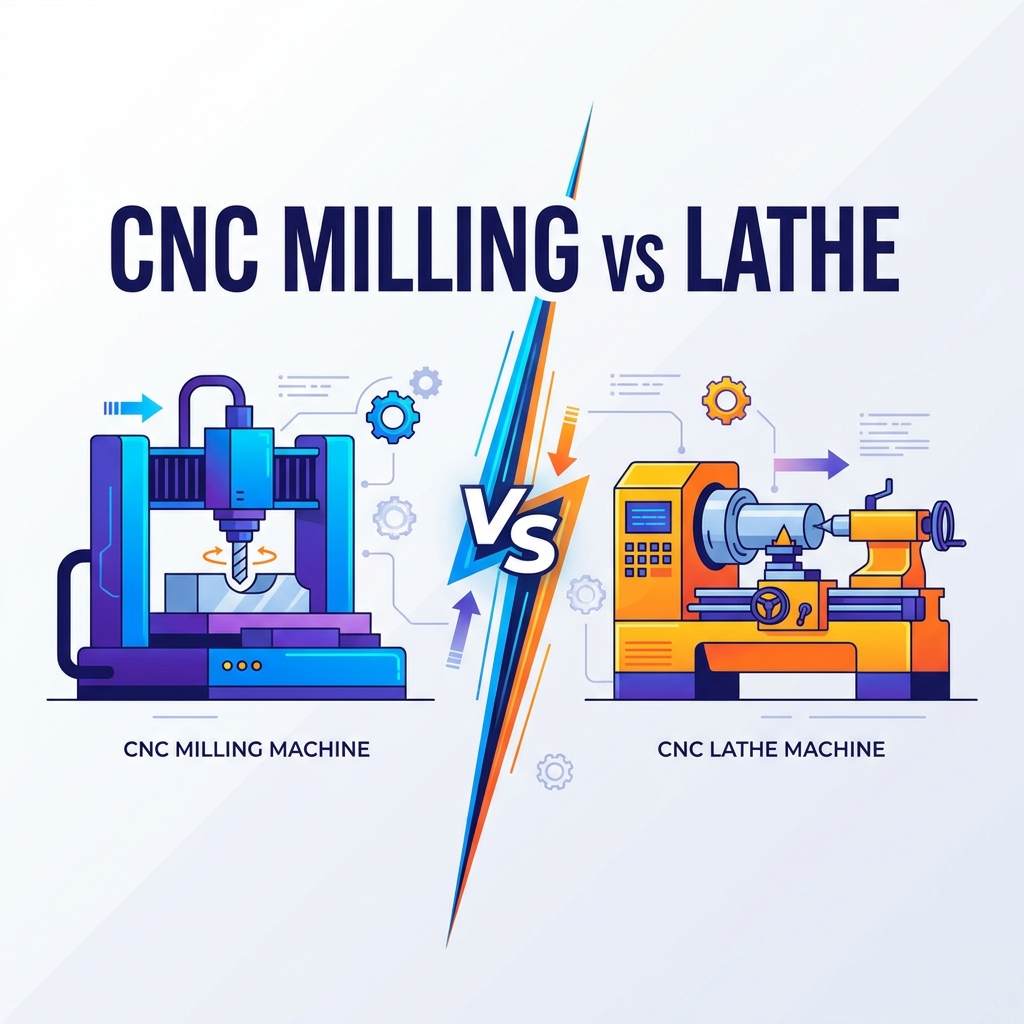 Compare CNC milling vs. turning. Learn differences in kinematics, geometry, cost, and automation to select the right machine for your production.Product news


