



The spindle is the heart of any CNC machining center. Its speed, power, and torque characteristics determine how effectively the machine can cut different materials, from soft aluminum to tough titanium. Understanding spindle specifications helps machine shops and machine tool agents select the right vertical machining center or horizontal machining center for their production needs.
Spindle Speed (RPM) Basics
Spindle speed, measured in revolutions per minute (RPM), defines how fast the cutting tool rotates. General-purpose 3-axis CNC milling machines are often equipped with spindles offering 8,000 to 10,000 RPM, which suits a wide range of materials. High-speed machining centers may feature 12,000, 15,000, or even 24,000 RPM spindles, essential for small-diameter tools and aluminum cutting where surface speed is critical. However, higher maximum RPM alone does not guarantee better performance — the spindle must be matched to the material.
RPM Recommendations by Material
Aluminum: 10,000–15,000+ RPM. High surface speeds and chip thinning strategies demand fast spindles. A 5-axis CNC machining center with a high-RPM spindle can contour complex aluminum parts efficiently.
Steel and Alloy Steel: 6,000–10,000 RPM. Moderate speeds with high torque allow effective chip loads. A medium VMC with a robust spindle motor handles steel milling well.
Stainless Steel: 4,000–8,000 RPM. Lower speeds reduce work hardening and heat buildup. Rigid machine structures and consistent feed rates are equally important.
Titanium and Inconel: 2,000–6,000 RPM. These materials require low speeds and high torque. Heavy-duty horizontal machining centers with geared spindles are often chosen for titanium cutting.
Cast Iron: 3,000–6,000 RPM. Abrasive nature demands lower speeds; torque is more critical than RPM.
Torque and Power: Not Just About Top Speed
Spindle performance is defined by the torque curve, not just the maximum RPM. A spindle might reach 12,000 RPM but deliver peak torque only between 1,500 and 4,000 RPM. For face milling steel or drilling large holes, high torque at low RPM is essential. Direct-drive spindles offer a wide constant-power range, while belt-driven spindles often provide higher torque at low RPM. Geared spindles, common on horizontal machining centers, deliver maximum torque for heavy cutting.
Spindle Taper Types
The spindle taper is the interface between the spindle and tool holder. Common standards include:
BT40: Widely used on medium vertical machining centers. Balanced stiffness and tool-change speed, suitable for tools up to 20 mm diameter in steel.
BT50 / HSK100: Found on large CNC machining centers and horizontal machining centers. Provides high rigidity for heavy milling, boring, and large face mills.
HSK63: Increasingly popular on high-speed machines. Offers better concentricity and axial repeatability at high RPM, reducing vibration.
Cooling and Thermal Stability
Spindle performance degrades if heat is not managed. Many precision machining centers feature spindle oil chillers or water-cooled jackets to stabilize temperature. Thermal growth in the spindle can directly affect Z-axis accuracy. For tight-tolerance work, choose a machine with spindle cooling and warm-up cycles.
Summary: Matching Spindle to Application
For high-speed aluminum work, prioritize high RPM and HSK or BT40 taper.
For steel and cast iron, prioritize high torque at low RPM with BT40 or BT50.
For hard metals like titanium, prioritize low-speed torque and geared or direct-drive spindle.
For general job shop work, a 8,000–10,000 RPM BT40 spindle offers a versatile compromise.
Selecting the right spindle configuration ensures optimal tool life, surface finish, and cycle time. Leyo Machine provides CNC machining centers with spindle options tailored to your materials and production goals. Contact our team to discuss your specific machining requirements.
Related Articles
-
 Dear Customers and Business Partners,In order to strictly comply with national export control laws and regulations, and to fulfill international obligations, ensuring that our exported CNC milling machines and CNC lathes are fully legal and compliant, we hereby notify you of the relevant policies coCompany News
 -
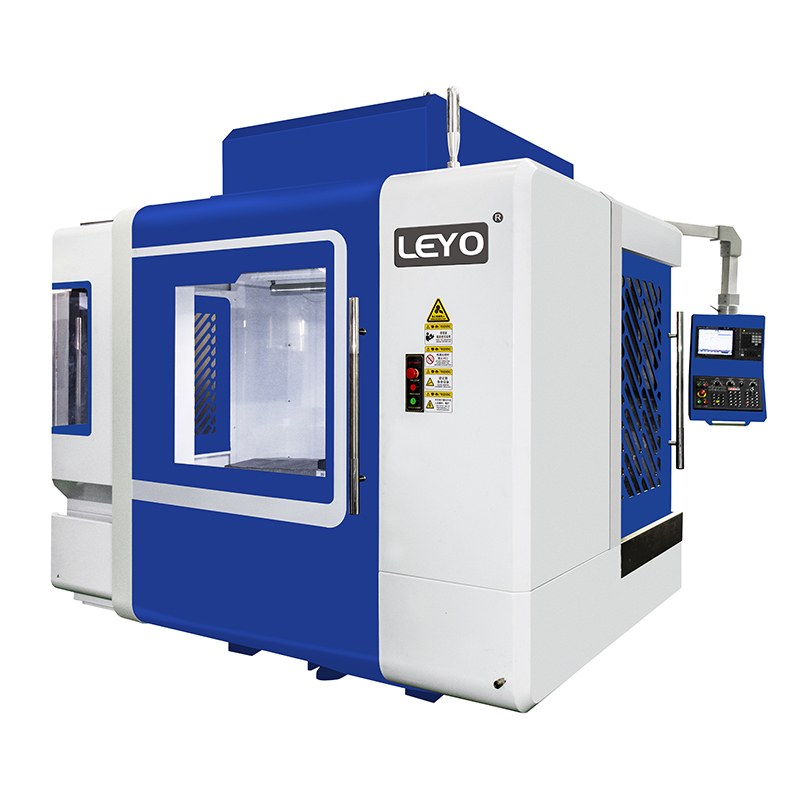 Eliminate part deflection and chatter. Master expert workholding strategies for vertical milling machines to maximize CNC precision and reduce scrap.Product news
 -
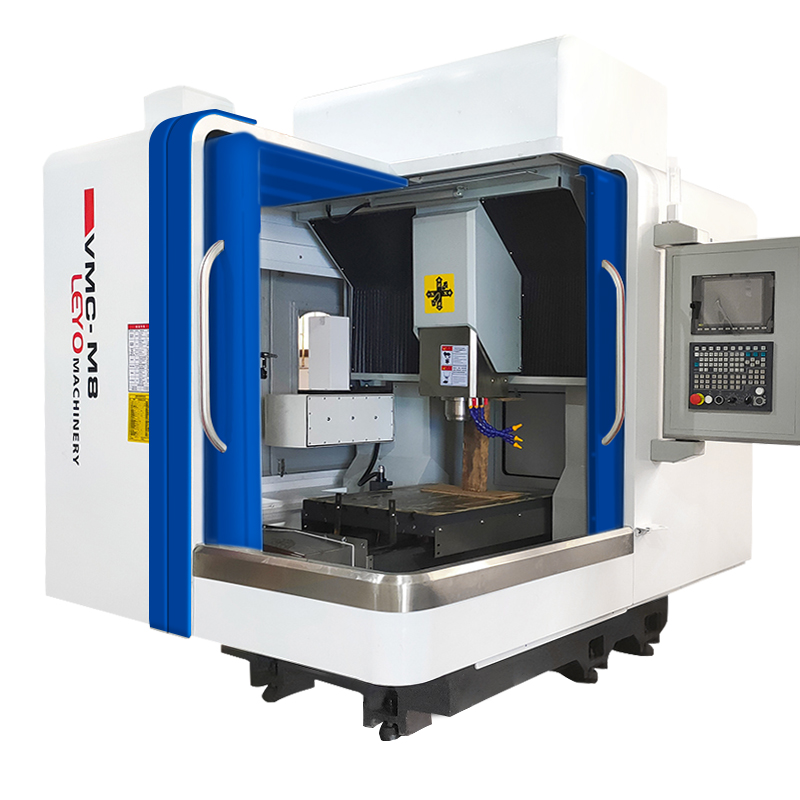 Stop tool breakage and scrap parts. Discover how horizontal milling machines use gravity for flawless chip evacuation and maximum ROI.Product news
