



While workpiece dimensions set the minimum size requirement for a CNC machining center, production volume often determines whether a small, medium, or large machine is the most efficient investment. The way you organize work — prototyping, small batches, dedicated production lines, or high-volume manufacturing — directly impacts the machine configuration, automation level, and even the number of axes needed.
Small Machining Centers: Ideal for Prototyping and Small Batches
For prototyping, tooling development, and short-run production, a small CNC machining center offers unmatched flexibility. Quick setup, easy programming, and fast tool changes allow operators to move from one job to the next with minimal downtime. Job shops serving multiple customers with varied part designs often rely on a fleet of small vertical machining centers because each machine can be dedicated to a different job, preventing bottlenecks. The lower capital cost of a small machine also reduces financial risk for shops that are building their customer base. When a job requires 5-axis capability, a small 5-axis machining center can handle complex geometries without the floor space commitment of a larger machine.
Medium Machining Centers: Balanced for Batch Production
Medium-sized machining centers are the workhorses of batch manufacturing. When production volumes are consistent but not extreme — say, 50 to 500 parts per month — a medium VMC or horizontal machining center (HMC) provides the work envelope and rigidity needed to run multiple parts per setup. With a tombstone fixture on a horizontal machining center, or a multi-vise setup on a vertical machine, shops can machine several workpieces in a single cycle, reducing tool change time and operator intervention. Medium machines also accommodate optional automation like pallet changers and robotic loading, making them scalable for future growth. For companies transitioning from a job shop model to dedicated production, a medium machining center often represents the right step up.
Large Machining Centers: Built for High-Volume, Multi-Face Production
Large CNC machining centers are engineered for continuous, high-volume production of big parts. In automotive powertrain lines, large horizontal machining centers with multi-pallet systems run 24/7, machining engine blocks and transmission cases with minimal human presence. The large work envelope allows multiple workpieces to be fixtured on a single tombstone, and automatic pallet changers enable loading and unloading to happen offline while the spindle keeps cutting. This results in very high spindle utilization rates — a key metric for mass production. The investment in a large machining center is justified when the part family is stable, production volumes are high, and the cost of downtime is significant. Large gantry-type machining centers are also used in the mold industry for producing large automotive die-casting molds, where a single piece can weigh several tons and machining time spans days.
Matching Automation to Production Needs
A small machining center can be run effectively with minimal automation, relying on an operator to load parts. As machine size and production volume increase, automation becomes more critical. Medium and large machines are frequently equipped with automatic tool changers, pallet pools, chip conveyors, and probing systems. Choosing a machine size that can accept the desired level of automation — either now or in the future — is a forward-looking part of the selection process. Whether you need a standalone small CNC machining center for prototype work or a large horizontal cell for lights-out production, Leyo Machine offers a range of CNC machine tools configured to your production requirements.
Related Articles
-
 Dear Customers and Business Partners,In order to strictly comply with national export control laws and regulations, and to fulfill international obligations, ensuring that our exported CNC milling machines and CNC lathes are fully legal and compliant, we hereby notify you of the relevant policies coCompany News
 -
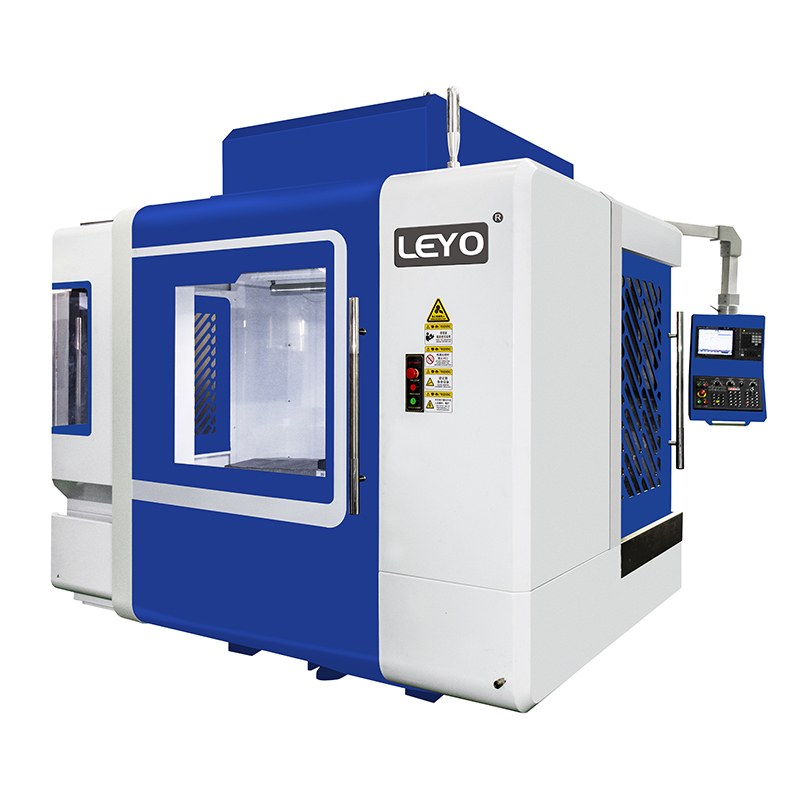 Eliminate part deflection and chatter. Master expert workholding strategies for vertical milling machines to maximize CNC precision and reduce scrap.Product news
 -
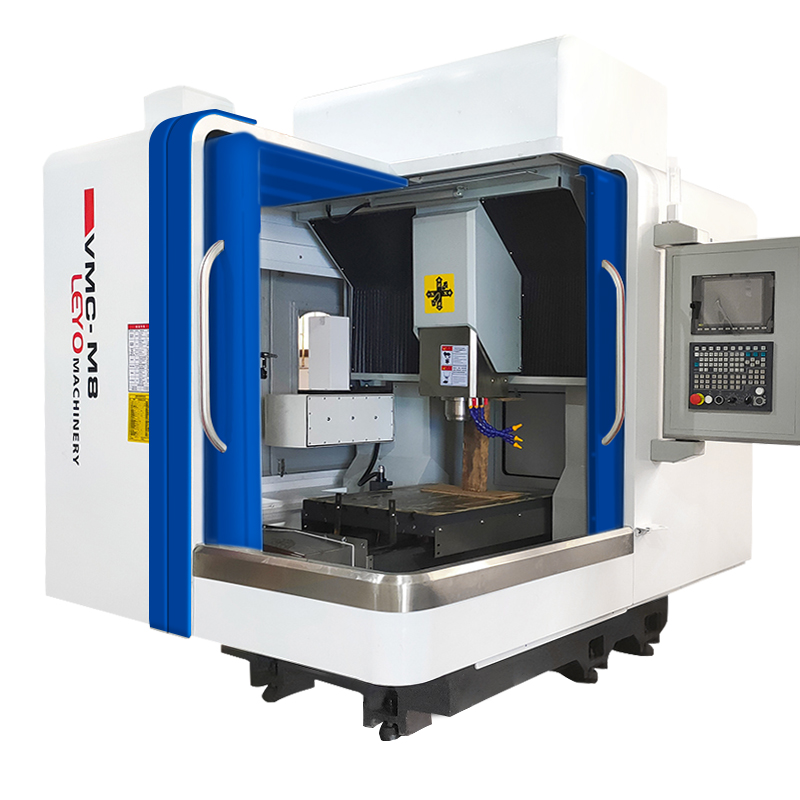 Stop tool breakage and scrap parts. Discover how horizontal milling machines use gravity for flawless chip evacuation and maximum ROI.Product news
