



The 450L Compound Internal Grinding Machine is essential for high-precision machining, especially in industries requiring ultra-fine finishing and tight tolerance internal grinding. This topic is critical because many small to medium-sized machining factories and machine tool distributors in international markets seek cost-effective, versatile, and precise grinding solutions. The 450L model is particularly suitable for applications in automotive, aerospace, and mold-making industries, where complex internal geometries must be ground with accuracy. Regions with strong manufacturing sectors, such as Southeast Asia, Europe, and North America, are primary targets for this machine. This guide will help operators, workshop managers, and machine tool agents understand how to maximize its capabilities efficiently.
The 450L Compound Internal Grinding Machine is designed for precision grinding of internal surfaces, bores, and contours. It combines versatility with high accuracy, making it ideal for machining hardened materials and complex parts. Its compound grinding capability allows it to perform multiple operations in a single setup, reducing production time and improving consistency. This machine is widely used in industries like automotive, aerospace, and general engineering, where precision is non-negotiable.


operation guide
Start with roughing passes to remove excess material, then switch to fine finishing passes for high accuracy. Monitor the process to ensure consistency.
FAQ
A: Basic training is recommended for safe and efficient operation, especially for complex tasks.
Related Articles
-
 Dear Customers and Business Partners,In order to strictly comply with national export control laws and regulations, and to fulfill international obligations, ensuring that our exported CNC milling machines and CNC lathes are fully legal and compliant, we hereby notify you of the relevant policies coCompany News
 -
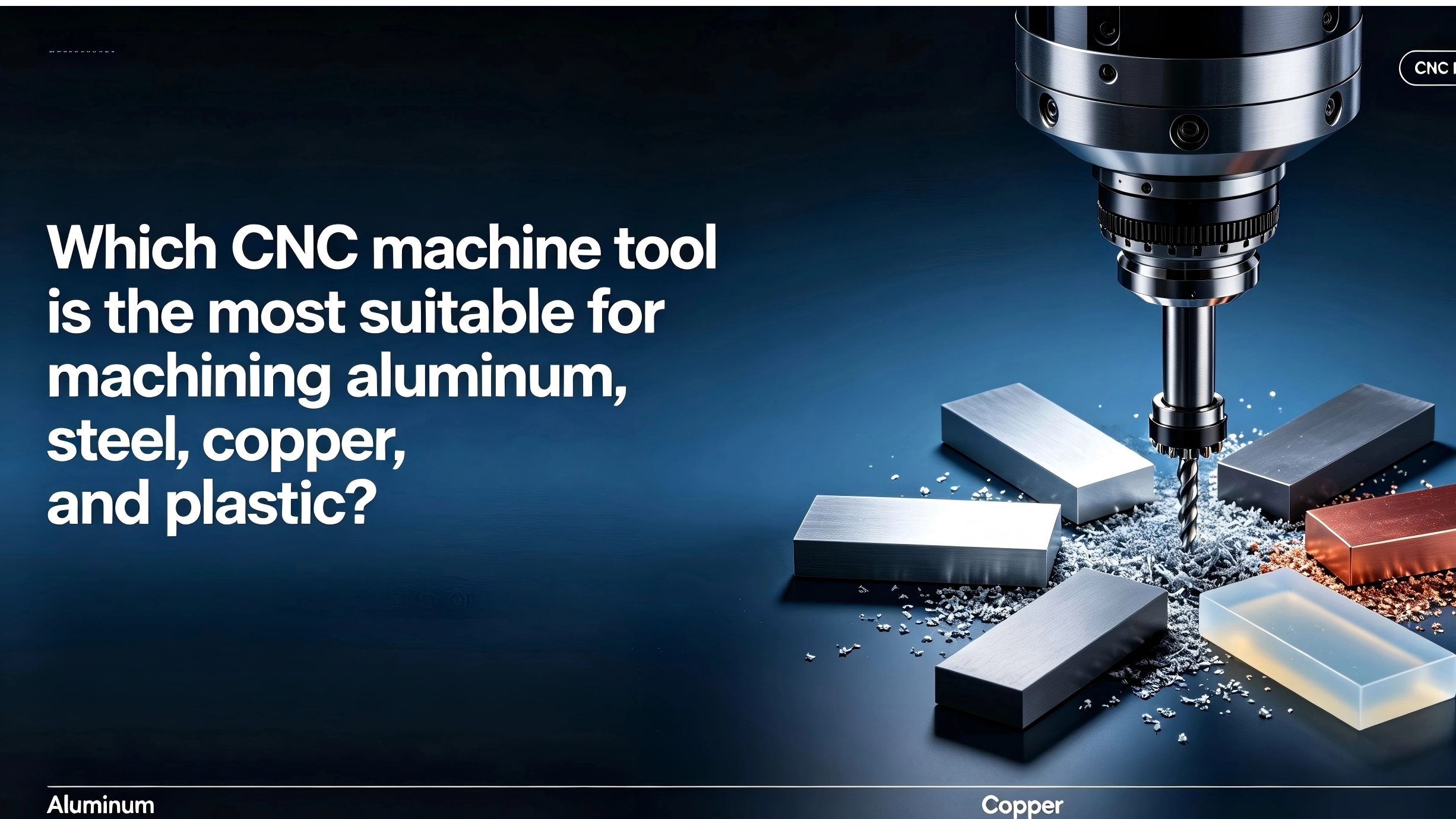 Understanding which machine tool is best suited for machining which material can assist machining factories and machine tool agents in making the optimal choice. This article introduces the materials that can be most effectively machined by CNC milling machines, CNC lathes, and CNC machining centers.CNC Machine Industry News
 -
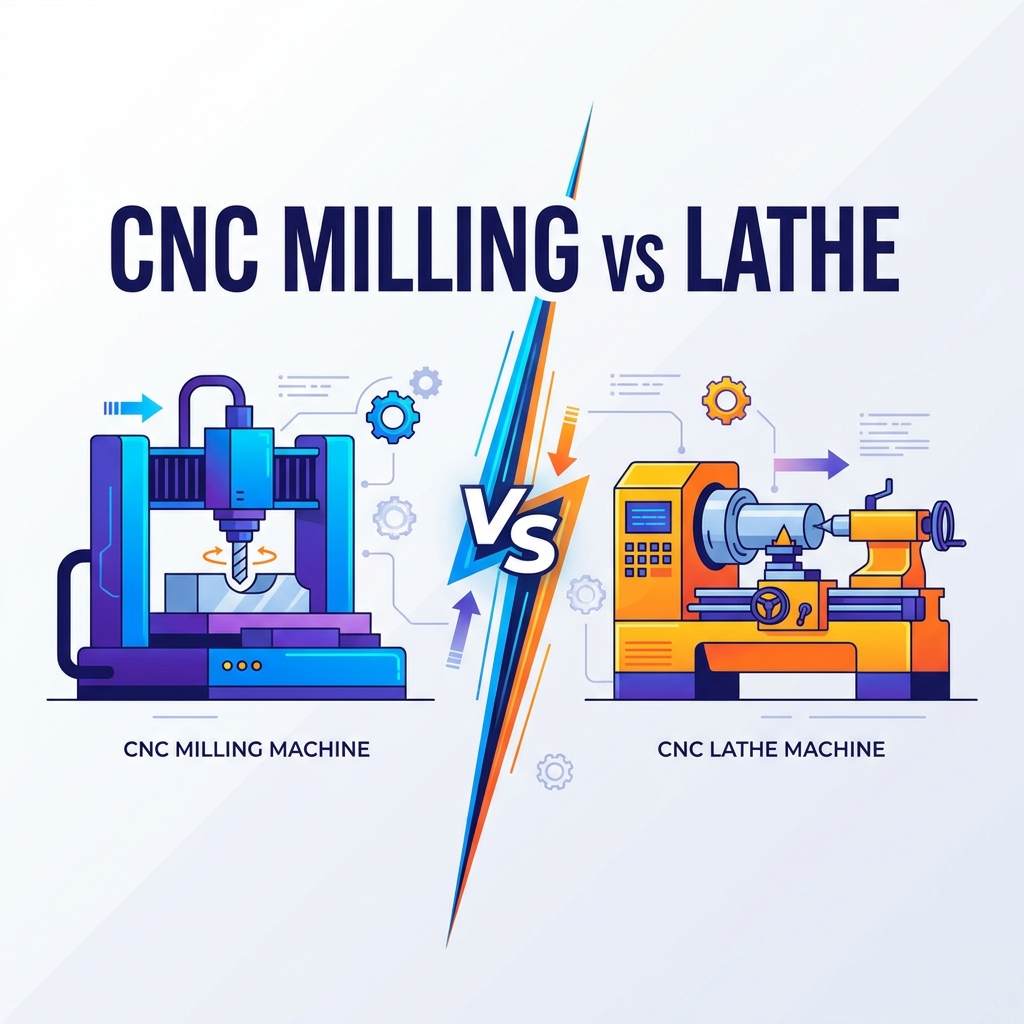 Compare CNC milling vs. turning. Learn differences in kinematics, geometry, cost, and automation to select the right machine for your production.Product news
